Fake or Real? How to Spot a Counterfeit Korean Beauty Product Before You Buy
K-beauty’s popularity means more people are discovering products they love, and encountering listings whose origins are hard to pin down. If you’re wondering whether a Korean skincare product is genuine, you’re right to pause. Counterfeits can be difficult to recognize from a listing photo, and no single packaging detail or online checker can confirm authenticity on its own.
As an RN and licensed esthetician, I recommend starting with the most useful question: Who is selling this, and can they explain where it came from? Then check the packaging and any verification tools the brand provides. Here’s a practical way to assess a product without assuming that every small difference means it’s fake.
Start with the seller and the product’s source
Buying directly from a brand or from a retailer the brand identifies as an official seller is a good first step. Look for a clear business name, real contact information, a stated return policy, and an order confirmation or receipt. On a marketplace, check the specific seller listed on the product page, not just the marketplace name or the fulfillment service.
Be cautious if a seller can’t explain the product’s source, uses vague descriptions such as “overseas stock,” or has little information about returns. A surprisingly low price is another reason to look more closely, especially if the seller is unfamiliar. It isn’t proof of a counterfeit, and a counterfeit can also be priced like the real product. Treat price as one clue among several, not a verdict.
Compare the packaging carefully, but allow for changes
When your order arrives, compare the product with current images on the brand’s official website. Check the name, size, container shape, logo, colors, and the layout of the label. Look for spelling errors, blurry or uneven printing, a poorly fitted cap, damaged seals, or details that don’t match the official product information.
Also check that the outer box and the container appear to refer to the same product and size. A label that looks tampered with or missing information deserves follow-up.
At the same time, packaging isn’t always identical across markets or production runs. Brands update designs, and products intended for different regions may have different language panels or stickers. One changed font or an extra importer label isn’t enough to call a product fake. Compare several details and ask the brand if the differences still concern you. Brand guidance, such as Sulwhasoo’s counterfeit-prevention advice, likewise recommends considering product details alongside the source.
Look for the lot code and use the brand’s own checker
Many products have a batch, lot, or manufacturing code and an expiration or use-by date printed on the box or container. Their location and format vary by brand. Check the company’s official website for instructions, or contact the brand using contact details from its official site.
Some brands offer online verification. For example, COSRX’s official product-verification page lets customers check a product using packaging details. Follow the instructions for the specific brand and product you have.
A code lookup can be helpful, but don’t treat it as standalone proof. Codes and QR labels can be copied, and a checker may confirm that a code corresponds to a real production record without proving that the item in your hand came through an authorized seller. If the code fails, the packaging is altered, or the result doesn’t make sense, stop and ask the brand to review it.
Use the product’s appearance and feel as supporting clues
Once you’ve checked the source and packaging, notice whether the contents look or smell very different from what the brand describes or from a product you previously bought from a reliable seller. Unexpected separation, a strong unfamiliar odor, an unusual color, or a damaged seal is a reason not to apply it while you investigate.
These observations are warning signs, not proof. Formulas can sometimes vary slightly, and smell or texture is subjective. But if you have several concerns (an unclear seller, inconsistent packaging, and unusual contents, for example) you don’t need to take a chance with your skin.
If you strongly suspect the product is counterfeit, don’t try it on your face or do a patch test. A patch test can help assess how your skin responds to a known product; it cannot establish what’s inside an unverified one.
What to do if you already bought a suspicious product
First, stop using it. Keep the product and its packaging so the brand or seller can review them. Take clear photos of the container, box, seals, batch code, expiration date, shipping label, and any details that seem inconsistent. Save the product listing, seller name, order confirmation, and payment records.
Contact the seller through the platform where you purchased it and ask about a refund or investigation. Follow the platform’s documented process, and contact the brand through its official website to ask whether it can assess your photos and the product details. Avoid relying on contact information printed only on packaging you suspect may be fake.
If you’ve had a reaction, gently rinse the area and stop using the product. Seek medical advice if irritation persists or is concerning. Get urgent help for symptoms such as facial swelling, difficulty breathing, or a serious eye reaction.
How Korean Beauty Bar approaches authenticity
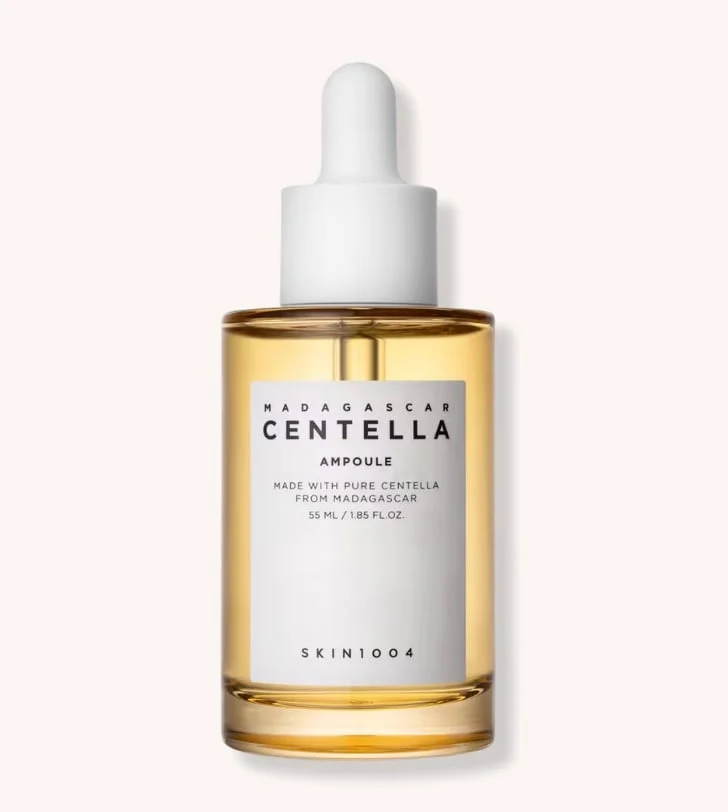
I believe trust starts before a product reaches your skin. At Korean Beauty Bar, every item is sourced directly from official brand manufacturers in South Korea, and orders ship from North Carolina. If you’re browsing, you can explore our K-beauty selection or see a specific example in our SKIN1004 Madagascar Centella Ampoule listing. You can also find more shopping information in our FAQ.
Quick answers about spotting fake Korean skincare
Can packaging alone tell me if a product is real? Not reliably. Compare multiple details with current official product information, and consider who sold it and where it came from.
Does a batch code or QR code prove authenticity? No. Use verification tools provided by the brand, but treat the result as one part of your check. Ask the brand directly if anything doesn’t add up.
Is a very low price proof that a product is fake? No, but it’s a reason to look more carefully at the seller and sourcing. Price alone can’t confirm whether a product is genuine.
What’s the safest next step if I’m unsure? Don’t use the product yet. Save your purchase details and photos, then contact the brand and seller through official channels. When in doubt, protecting your skin is more important than trying to make a questionable purchase work.