Cold weather can leave your skin feeling tight, flaky, or suddenly more sensitive. When that happens, it’s tempting to add more products. But a good winter routine doesn’t have to be complicated: a few well-chosen steps can support comfort, target a specific concern, and protect your skin during the day.
As an RN and licensed esthetician, I often remind beginners that K-beauty is about thoughtful care, not reaching a certain number of bottles. This 5 step Korean skin care routine is a simple framework you can tailor to your skin, season, and schedule.
What are the five steps?
Cleanse
Tone or prep
Treat
Moisturize
Protect with SPF in the morning
Think of these as five useful roles, not five mandatory products to use morning and night. If a step doesn’t suit your skin, keep it simple and adjust.
1. Cleanse gently
Cleansing removes sweat, oil, sunscreen, makeup, and the day’s buildup. In winter, the goal is to get skin clean without leaving it feeling stripped or squeaky. That tight feeling after washing is a useful cue to reassess your cleanser or how often you’re using it.
Use lukewarm water and massage a gentle cleanser over your face with your fingertips, then rinse well. In the morning, some people, especially those with dry or sensitive skin, may be comfortable simply rinsing with water. In the evening, cleanse to remove the day’s products. You can browse Korean cleansers at Korean Beauty Bar; the COSRX Triple Hyaluronic Moisturizing Cleanser is one stocked option.
If you wear makeup or water-resistant sunscreen, an oil- or balm-based first cleanse can be useful before your regular cleanser. It’s an optional variation, not a requirement for everyone. Korean Beauty Bar also carries an Anua Double Cleansing Duo.
2. Tone or prep with a light layer
In a simple routine, this step is usually a hydrating toner or essence applied after cleansing. It can add a comfortable layer of moisture and prepare your skin for the next product. Apply a small amount with clean hands, gently pressing it onto your skin. You don’t need several layers; one is a perfectly good place to start.
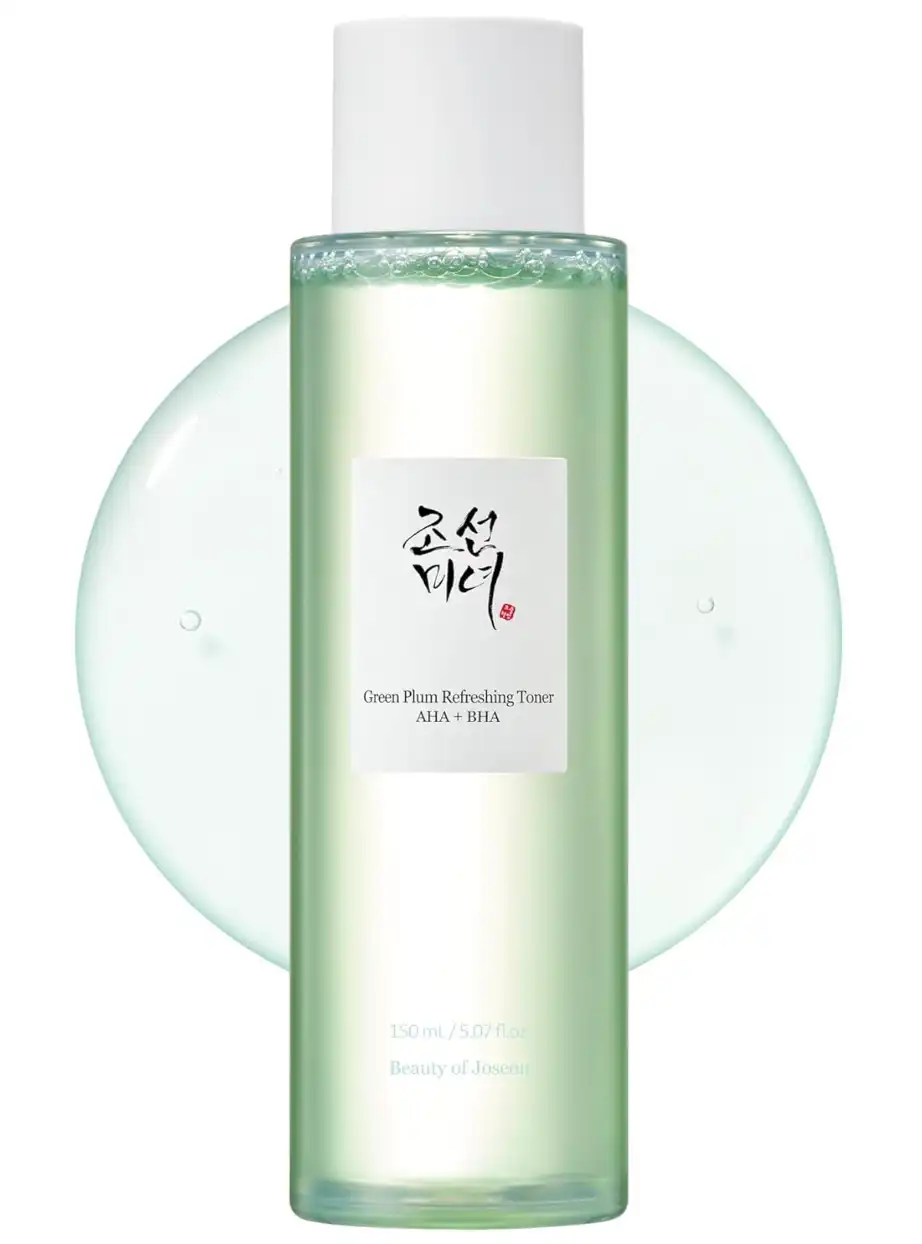
Not every product called a toner is just for hydration. Some contain exfoliating ingredients, such as alpha hydroxy acids (AHAs) or beta hydroxy acids (BHAs), which help loosen surface buildup or address clogged pores. For example, Beauty of Joseon Green Plum Refreshing Toner is labeled AHA+BHA. Treat an exfoliating toner differently from a basic hydrating one, follow the product directions, and avoid adding it to skin that already feels irritated or very dry.
Toner is also an optional step. If your skin is comfortable without it, you can move from cleansing to treatment or moisturizer. Explore the toner and prep collection to compare options.
3. Treat one skin goal at a time
A serum or treatment is where you can focus on one particular concern, such as dryness, uneven-looking tone, or breakouts. For a beginner, I recommend starting with one product that matches your goal rather than layering several strong actives at once.
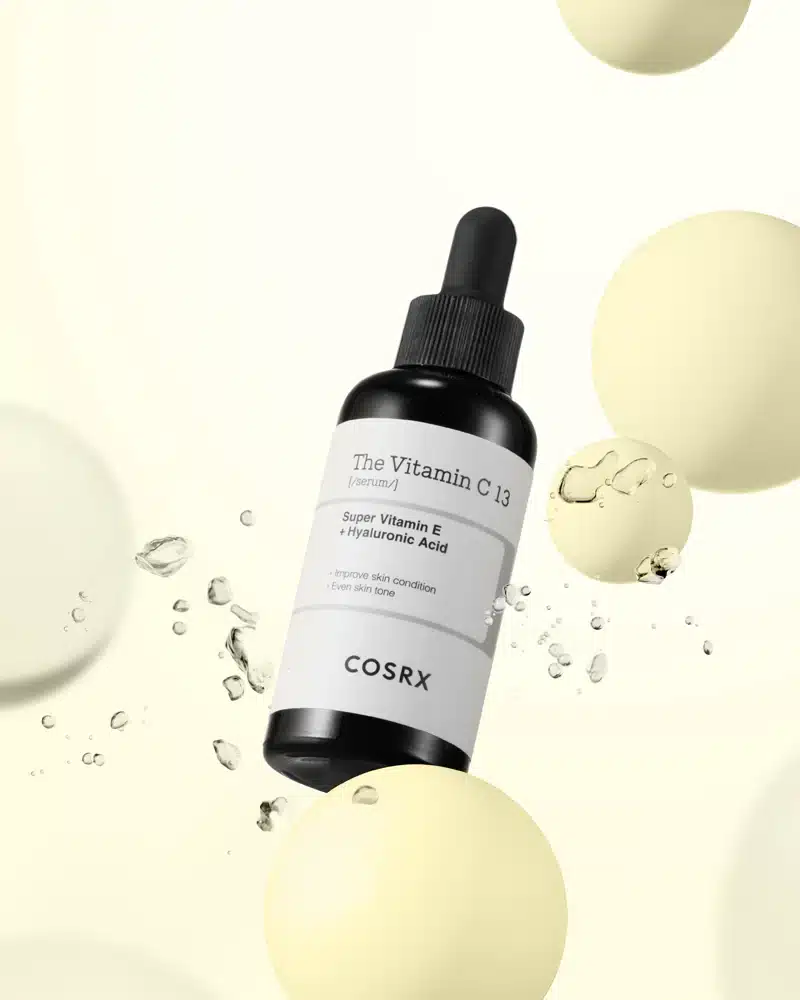
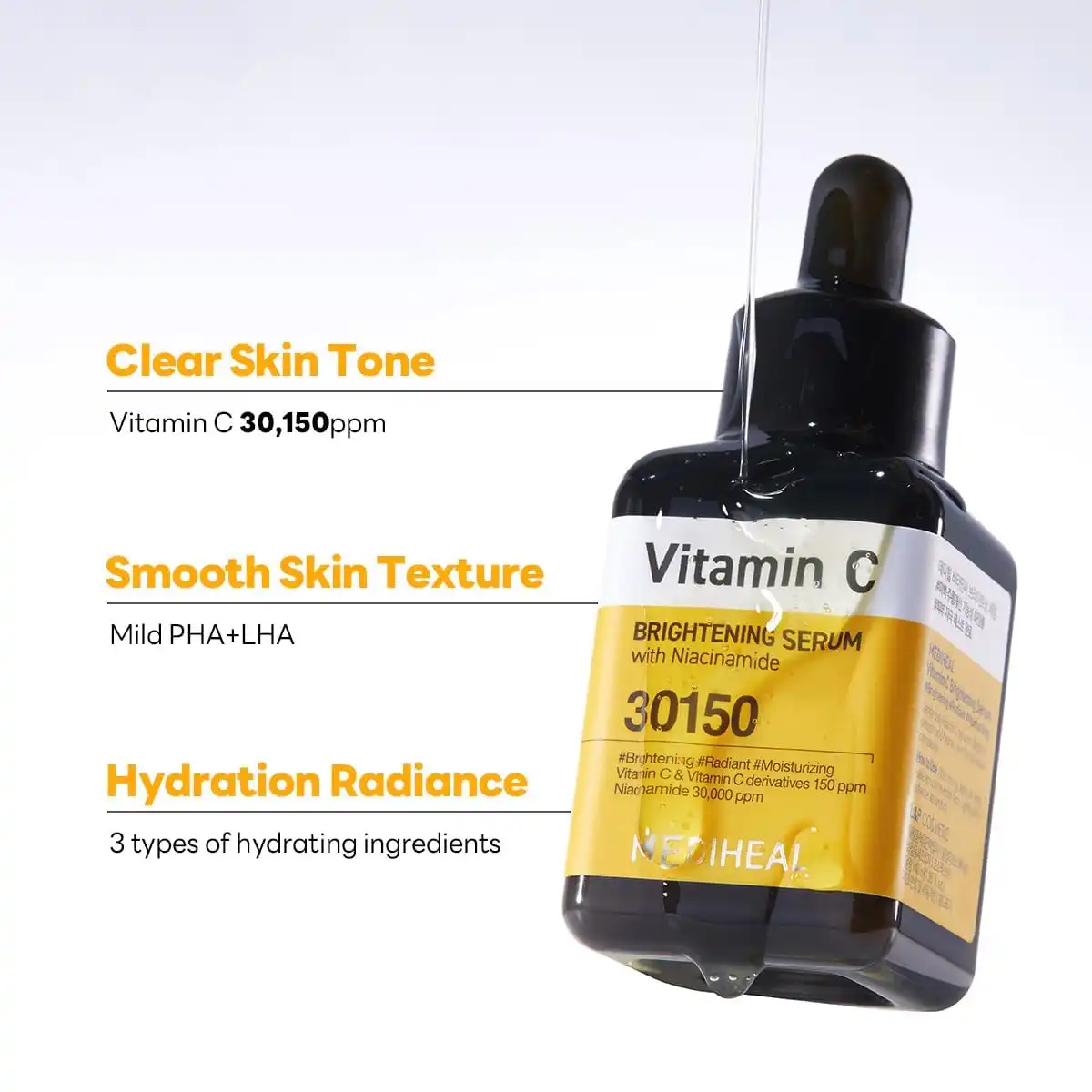
If your main concern is dehydration, look for a hydrating formula that feels comfortable on your skin. If you’re interested in a brightening product, Korean Beauty Bar carries COSRX The Vitamin C 13 Serum. Vitamin C is an active ingredient, so it’s not a must-have for every beginner. Introduce a new treatment gradually, follow its directions, and pause if your skin becomes persistently uncomfortable.
Winter can make skin feel less tolerant of products that exfoliate or otherwise cause irritation. That doesn’t mean everyone needs to stop a treatment they use successfully; it does mean there’s no prize for pushing through stinging or adding multiple new actives at once. If you’re using a prescription treatment, ask your prescriber before changing how you use it. Browse serums and treatments if you’re comparing options.
4. Moisturize to help skin feel comfortable
Moisturizer helps reduce that dry, uncomfortable feeling and supports the skin’s protective outer layer. In colder months, you may find a cream more comfortable than a very light lotion. Apply it after your toner and treatment, while your skin is still slightly damp if that feels good to you.
If your face still feels dry, a richer moisturizer or another thin layer may be worth trying. If a product burns or irritation persists, stop using it and consider checking in with a dermatologist.
5. Finish your morning routine with SPF
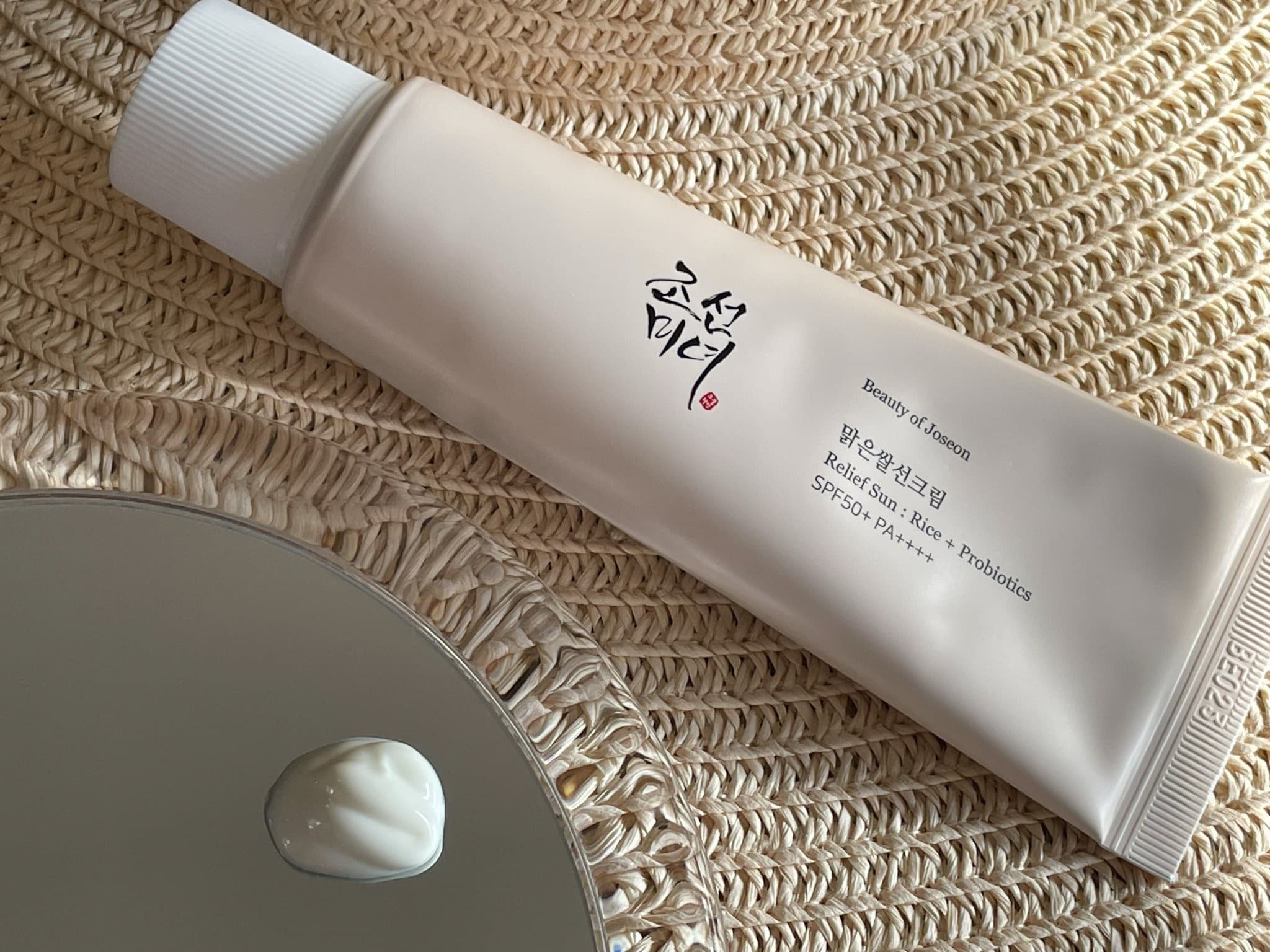
Sunscreen belongs in your morning routine year-round, including during winter. Daylight and UV exposure don’t disappear when the temperature drops. The American Academy of Dermatology recommends choosing a broad-spectrum, water-resistant sunscreen with SPF 30 or higher for exposed skin.
Apply sunscreen as the last skincare step before makeup, and follow the product label for how much to use and when to reapply. Remember areas that are easy to miss, such as your ears and neck. If you’ll be outdoors for a prolonged time, reapply according to the directions on your sunscreen.
Morning: Rinse or cleanse → toner/prep if you like → one treatment if needed → moisturizer → SPF
Evening: Cleanse → toner/prep if you like → treatment → moisturizer
Your routine doesn’t need to include a new product at every step. The toner can be optional, and the treatment can be as simple as a hydrating serum, or omitted if you don’t have a concern you want to address. If your skin is dry in winter, consider using lukewarm rather than hot water and a creamier moisturizer. The American Academy of Dermatology’s winter skin guidance offers more practical tips.
When you try something new, introduce one product at a time so you can tell how your skin responds. If you notice ongoing burning, cracking, or marked irritation, simplify your routine and seek advice from a qualified healthcare professional.
Is a shorter K-beauty routine still effective?
Yes. The five-step format is a helpful guide, not a rule that says you must use five products. A gentle cleanser, moisturizer, and daytime sunscreen can be a sensible foundation; toner and treatment are there to personalize the routine if they’re useful to you.
The best routine is one that fits your skin and that you can maintain. Start with the basics, make changes slowly, and let comfort guide your winter adjustments. The 5 step Korean skin care routine can stay simple, and still feel like thoughtful care.
Quick questions
Do I need toner every day? No. Use a hydrating toner if you enjoy the extra prep, but you can skip it if your skin is comfortable without it.
Should I use SPF at night? No. Sunscreen is the final step of your morning routine; you don’t need it before bed.
Can I exfoliate in winter? Some people tolerate exfoliation, but it isn’t essential. Be cautious if your skin feels dry or sensitive, and follow the product directions rather than stacking exfoliating products.
This article is for general skincare education and is not a substitute for individualized medical advice.