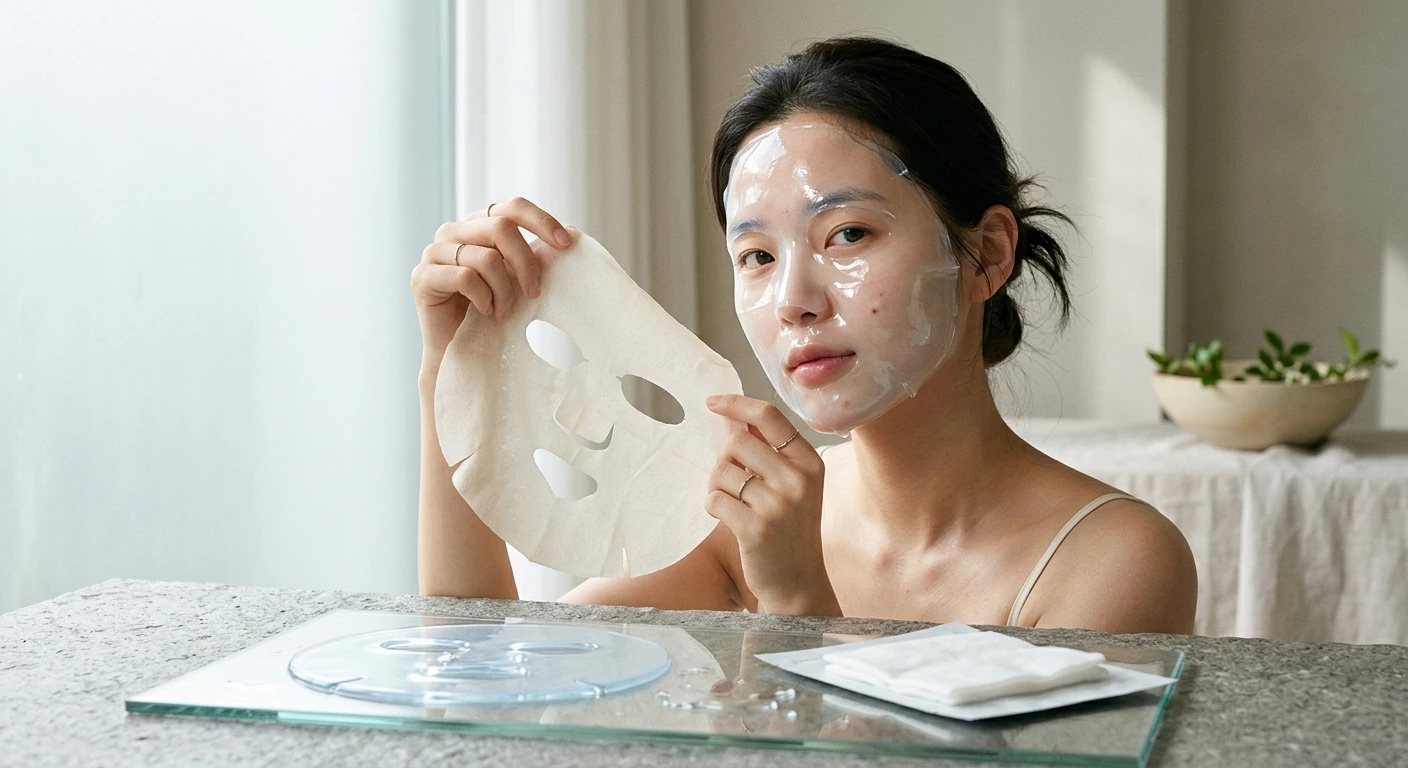
When exploring K-beauty routines, mask treatments are among the most popular and versatile ways to deliver hydration and skin-conditioning ingredients. Consumers comparing Korean hydrogel masks vs sheet masks often wonder which is better for their daily routine. Both formats offer distinct textures, wear experiences, and material designs, but the ideal choice ultimately depends on your skin type, personal comfort, ingredient preferences, and skincare goals. Understanding how these two formats differ allows you to choose the best vehicle for your skin’s needs.
What Is a Korean Hydrogel Mask?
A Korean hydrogel mask is a cosmetic mask constructed from a water-soluble, gelatinous polymer matrix rather than woven fabric. Hydrogel sheets are typically created by blending biocompatible polymers such as carrageenan, agar, or alginate with water, humectants, and active skincare ingredients. Because the gel structure itself holds a high percentage of liquid, it adheres closely to the contours of the face without wrinkling or bunching.
As the mask sits on the face, the hydrogel warms to the skin’s surface temperature, facilitating the transfer of humectants and conditioning agents into the upper epidermal layers. Hydrogel masks often come divided into top and bottom sections to accommodate diverse face shapes. While many people appreciate their cooling sensation and smooth texture, the exact skincare benefits depend on the specific formulation infused into the gel rather than the material alone.
What Is a Korean Sheet Mask?
A traditional Korean sheet mask consists of a pre-cut piece of fabric or fibrous material saturated with a liquid essence, ampoule, or serum. Common materials include woven cotton, non-woven rayon, bamboo-derived fibers, and bio-cellulose. These masks serve as an occlusive layer over the face, temporarily slowing down the evaporation of moisture and allowing humectants and conditioning botanicals to saturate the stratum corneum.
Sheet masks are widely favored for their convenience, affordability, and extensive variety. Whether designed to soothe, hydrate, brighten, or balance, single-use sheet masks can be effortlessly integrated into morning or evening skincare routines. After 10 to 20 minutes of wear, the fabric is discarded, and the remaining liquid essence is patted into the skin without requiring a rinse.
Korean Hydrogel Masks vs Sheet Masks: Key Differences
While both mask formats deliver leave-on hydration, their composition, mechanical adherence, application experience, and typical price points differ significantly:
High skin-contact adherence; can slide initially if very wet
Varies by material; bio-cellulose adheres closely, cotton may lift
Typical Wear Time
20 to 40 minutes (some overnight formulas run 2+ hours)
10 to 20 minutes (must not be left until dry)
Packaging Format
Often 2-piece split (upper/lower face) with protective backing
Usually single 1-piece full-face sheet
Relative Price Point
Moderate to premium per unit
Accessible to moderate per unit
Material and Texture
Hydrogel masks feature a distinctive, jelly-like texture that feels slick and cool to the touch. They possess substantial weight and flexibility. In contrast, sheet masks feature a fabric- or paper-like texture. While standard cotton masks feel like soft cloth, modern bio-cellulose and microfiber sheet masks offer an ultra-thin, smooth contact layer that mimics skin texture.
Fit and Comfort
Hydrogel masks are frequently divided into an upper and lower piece, allowing customizable positioning over the nose, cheeks, and jawline. However, their gel nature can make them prone to slipping downwards during the first few minutes of wear while the essence is slick. Sheet masks are usually a single piece; they stay firmly in place while sitting or standing, though cotton sheets may form small air pockets around curves.
Hydration and Moisture Retention
Both hydrogel and sheet masks provide concentrated hydration by delivering humectants under temporary occlusion. Hydrogel masks lose water slowly, permitting longer wear times without drying out. However, a hydrogel mask is not inherently more hydrating than a high-quality sheet mask; the humectant density within the essence and sealing the skin with a moisturizer afterward ultimately determine lasting hydration.
Ingredients and Skincare Benefits
Both formats feature identical K-beauty staples: glycerin, hyaluronic acid, Centella asiatica, panthenol, and niacinamide. Formulators select these ingredients based on target skin goals, meaning you can find soothing, brightening, or barrier-reinforcing formulas across either mask style without ingredient exclusivity.
Price and Convenience
Standard cotton and tencel sheet masks are generally more economical and accessible, making them ideal for frequent use. Hydrogel masks tend to carry higher unit costs due to more complex manufacturing processes and thicker polymer ingredients, positioning them as occasional self-care or intensive treatments.
Are Hydrogel Masks Better Than Sheet Masks?
Neither format is universally superior. A hydrogel mask is not automatically more effective simply because it costs more or utilizes an innovative gel matrix. Instead, each format serves different preferences and practical needs:
When Hydrogel Masks Stand Out: If you enjoy a refreshing, de-puffing cooling sensation, prefer a mask that stays damp for 30 minutes or longer, or want a secure, two-piece fit that conforms around high-movement areas without lifting.
When Sheet Masks Stand Out: If you want a quick 15-minute hydration boost, prefer a lightweight, non-slipping fabric, enjoy rotating through diverse ingredient options economically, or prefer classic watery essences that absorb rapidly.
Which Mask Is Better for Different Skin Types?
Evaluating your skin’s baseline needs ensures you pick the right combination of mask material and topical formulation:
Which Mask Is Better for Dry Skin?
For dry skin needing lipid replenishment alongside water, look for masks saturated with rich, milky essences containing ceramides, panthenol, and squalane. Either format works well, provided you seal the skin with an emollient moisturizing cream immediately after mask removal.
Which Mask Is Better for Oily Skin?
Oily complexions benefit from lightweight, water-gel essences that absorb without leaving a sticky or greasy residue. Both light cellulose sheet masks and refreshing hydrogel masks perform well, provided the formula is oil-free and non-comedogenic.
Which Mask Is Better for Sensitive Skin?
Sensitive skin requires checking the full ingredient list for synthetic fragrance, drying alcohols, and irritating essential oils. Neither material is inherently safer; gentleness depends on a clean, low-irritant formula rather than whether it is made of fabric or gel.
Which Mask Is Better for Dehydrated Skin?
Dehydrated skin lacks water rather than oil and thrives on formulas rich in humectants like glycerin and sodium hyaluronate. A bio-cellulose sheet mask or hydrogel mask provides excellent occlusive contact to push water into thirsty surface cells.
Best Ingredients to Look for in Korean Hydrogel Masks and Sheet Masks
Regardless of mask material, look for these proven ingredients to address your primary skincare priorities:
Hyaluronic Acid and Glycerin for Hydration
Hyaluronic acid in multiple molecular weights hydrates both surface and sub-surface layers, while glycerin acts as a dependable, non-irritating humectant that attracts ambient moisture, leaving the skin looking plump and refreshed.
Centella Asiatica and Panthenol for Skin Comfort
Centella asiatica (Cica) and panthenol (provitamin B5) condition the skin, helping to calm temporary visible redness and comfort reactive complexions without causing heavy buildup.
Ceramides for Skin-Barrier Support
Ceramides reinforce the skin’s intercellular lipid matrix. Masks incorporating ceramides help prevent transepidermal water loss (TEWL), ensuring post-mask hydration does not evaporate into dry air.
How Long Should You Leave a Hydrogel Mask On?
Because hydrogel materials release moisture gradually and resist quick evaporation, typical wear times range from 20 to 40 minutes. Certain specialized hydrogel masks formulated for extended wear or overnight use can be left on for 2 to 3 hours until they turn translucent. Always consult the product packaging, and never leave any mask on to the point of discomfort or irritation.
How Long Should You Leave a Sheet Mask On?
Traditional fabric and cellulose sheet masks should be worn for 10 to 20 minutes. Never leave a sheet mask on until it dries completely. Once the fabric loses its moisture, it can cause friction against delicate skin and begin pulling moisture back out of the epidermis via capillary action. Removing the mask while it is still damp ensures optimal hydration.
How to Use a Korean Hydrogel Mask Correctly
Cleanse & Prep: Wash your face thoroughly and apply a light toner to balance surface pH.
Unpack & Separate: Carefully remove the hydrogel mask from its tray, peeling away any clear protective plastic films.
Position Pieces: Apply the bottom half around the mouth and jawline first, then align the top half over the eyes and forehead. Smooth out air pockets.
Relax & Time: Rest for 20 to 30 minutes (or the recommended duration on the package).
Remove & Seal: Peel off the gel sections, gently pat in remaining liquid, and lock in the benefits with your daily moisturizer.
How to Use a Korean Sheet Mask Correctly
Cleanse Skin: Start with a freshly cleansed face to remove dirt and surface oils.
Unfold Fabric: Gently unfold the saturated sheet mask and align the cutouts with your eyes, nose, and mouth.
Smooth Down: Press the sheet gently against your face, smoothing outward toward the edges to eliminate large air bubbles.
Wear 15–20 Minutes: Remove the sheet while it remains moist.
Pat Remaining Essence: Tap leftover essence over your face, neck, and décolletage, following with a cream or lotion to prevent evaporation.
Common Mistakes to Avoid With Both Mask Types
Exceeding Wear Time: Leaving masks on past their recommended duration or sleeping in non-overnight masks can cause dryness and irritation.
Layering Over Irritating Actives: Using an occlusive sheet or hydrogel mask directly over strong exfoliants or prescription retinoids can amplify irritation unpredictably.
Skipping Moisturizer: Failing to apply a barrier cream after masking allows the delivered humectants to evaporate, diminishing long-term hydration.
Ignoring Irritation Signals: Pushing through tingling, burning, or itching instead of removing the product immediately.
Can You Use Hydrogel Masks and Sheet Masks in the Same Routine?
Using both mask types in a single routine is unnecessary and can overwhelm the skin with excess essence. If you enjoy both formats, alternate between them across different days based on your skin’s immediate condition. For example, use a lightweight sheet mask for a quick mid-week boost and a cooling hydrogel mask on the weekend for extended relaxation.
How Often Should You Use Korean Hydrogel Masks or Sheet Masks?
For standard hydrating formulas, using a mask 1 to 3 times per week provides optimal hydration and conditioning without overwhelming your skin barrier. While gentle, basic humectant masks can technically be used more frequently, daily masking is not required for healthy skin and can increase the risk of product buildup or sensitivity.
How to Choose the Right Korean Face Mask for Your Routine
To pick the right mask, evaluate four core elements: your primary skin concern (hydration, soothing, barrier care), ingredient transparency, material preference (cooling gel vs. convenient fabric), and your budget. Selecting formulations free of unnecessary fragrance and suited to your specific barrier needs ensures the most rewarding experience.
To explore a curated collection of authentic, high-performance Korean hydrogel and sheet masks tailored to every skin profile, browse the diverse range of K-beauty essentials available at KoreanBeautyBar.
FAQs About Korean Hydrogel Masks vs Sheet Masks
What Is a Hydrogel Mask?
A hydrogel mask is a skincare mask made of a water-soluble, flexible polymer gel infused with humectants, designed to adhere closely to the face while delivering a refreshing cooling sensation.
Are Hydrogel Masks Better Than Sheet Masks?
Neither mask is universally better. Hydrogel masks offer superior cooling and extended wear times, while sheet masks provide lightweight convenience, fast absorption, and versatile everyday value.
Which Mask Is Better for Dry Skin?
Either mask works well for dry skin if formulated with barrier-supporting ingredients like ceramides, glycerin, and panthenol, followed immediately by an emollient moisturizer.
How Long Should You Leave a Hydrogel Mask On?
Most hydrogel masks should be left on for 20 to 40 minutes, depending on the product label’s specific instructions.
Can You Reuse a Hydrogel Mask or Sheet Mask?
No. Both hydrogel and sheet masks are designed for single use. Reusing them introduces bacteria, compromises sanitary hygiene, and yields diminished skincare benefits.
Should You Wash Your Face After Using a Korean Face Mask?
Generally, no. Most essences are formulated to remain on the skin. However, if the residue feels uncomfortably tacky or heavy, rinsing lightly with lukewarm water is acceptable.
Final Verdict: Korean Hydrogel Mask or Sheet Mask?
When comparing Korean hydrogel masks vs sheet masks, there is no single winner. Sheet masks remain the gold standard for everyday versatility, quick application, and targeted essence variety. On the other hand, hydrogel masks excel in providing a cooling, close-fitting, spa-like experience that stays moist longer. By prioritizing skin-compatible ingredients, respecting recommended wear times, and finishing with a reliable moisturizer, both formats can effectively elevate your K-beauty skincare ritual.
About Korean Beauty Bar
Laura Meacham Moore is a licensed nurse and esthetician with 25+ years of skincare expertise. After discovering K-beauty's transformative approach, she founded Korean Beauty Bar to bring authentic, science-backed Korean skincare to the U.S. Laura selects every product based on clinical efficacy, strict Korean beauty standards,