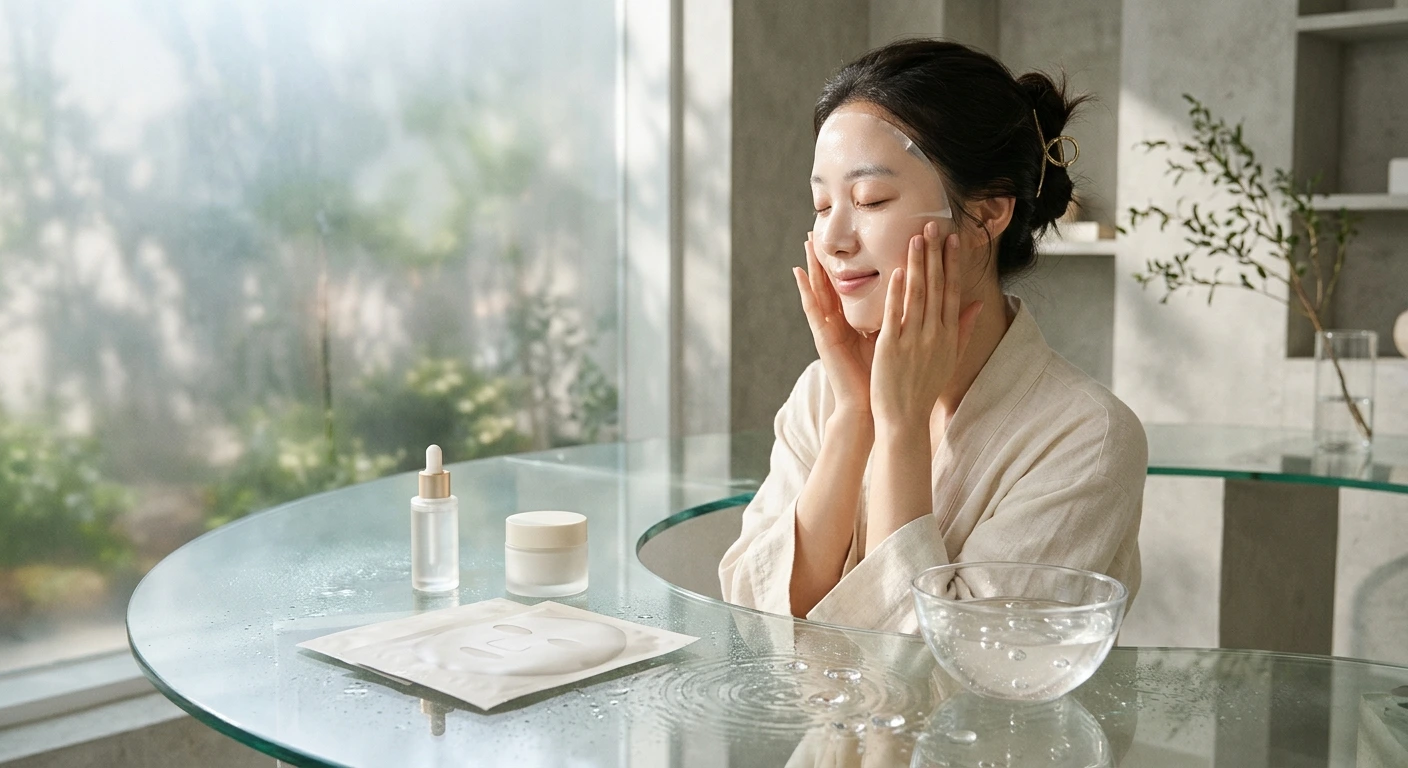
Achieving a luminous, healthy-looking complexion is at the heart of Korean skincare, where the coveted “glass skin” trend represents the pinnacle of skin vitality. Rather than relying on heavy highlighters or cosmetic tricks, this aesthetic centers on intense hydration, refined texture, and balanced barrier function. Integrating Korean face masks for glass skin into a structured, thoughtful regimen delivers a targeted infusion of moisture and conditioning nutrients that immediately revives dull, tired complexions. While no single cosmetic product transforms skin texture overnight permanently, learning how to choose and sequence the right mask within your broader regimen can significantly elevate your daily radiance. This comprehensive guide walks you through building an effective, balanced masking routine designed to support long-term glow and healthy skin.
What Is Glass Skin in Korean Skincare?
In the world of K-beauty, “glass skin” describes a complexion that appears exceptionally smooth, plump, translucent, and reflective much like a clean pane of glass. It is characterized by optimal surface hydration, even tone, and a supple, bouncy texture that catches light naturally.
Crucially, glass skin is an appearance-based aesthetic goal rather than a permanent clinical state or a promise of completely “poreless” skin. Pores are an essential, normal part of skin biology and cannot be erased. Similarly, skin has natural texture, micro-folds, and fluctuating daily needs influenced by sleep, hormones, and environmental stressors.
Viewing glass skin through a realistic lens prevents the frustration of chasing impossible perfection. Rather than an airbrushed illusion, authentic glass skin is simply a reflection of well-cared-for, deeply hydrated skin operating with a resilient moisture barrier. By prioritizing gentle cleansing, generous humectants, and barrier-supportive lipids, anyone can help their complexion look clearer, smoother, and luminous. Face masks serve as powerful supplemental tools in this journey, offering concentrated doses of hydration that temporarily amplify surface glow and suppleness.
How Do Korean Face Masks Help Create a Glass-Skin Look?
Korean face masks are formulated to saturate the epidermis with concentrated active solutions while minimizing moisture loss. Whether via serum-infused fabric sheets, cooling hydrogels, or nourishing sleeping packs, masks create a semi-occlusive environment that holds humectants, antioxidants, and conditioning agents in prolonged contact with the stratum corneum.
This sustained contact encourages thorough surface absorption, which immediately plumps the outermost layers of the skin. As dehydrated epidermal cells take on water, fine surface creases soften, rough patches smooth out, and light reflects off the face with greater uniformity, creating the characteristic dewy sheen of glass skin. Furthermore, many Korean masks incorporate soothing botanicals like mugwort and centella asiatica, which help calm transient surface redness and promote an even-toned appearance.
However, it is important to maintain realistic expectations regarding duration. The immediate plumping and radiant bounce delivered by a face mask is largely a temporary cosmetic enhancement driven by intense surface hydration. While a single mask provides a fast, refreshing boost, sustaining a radiant glow requires coupling regular masking with a consistent daily regimen of gentle cleansing, moisturizing, and broad-spectrum sun protection.
Why a Masking Routine Works Better Than Random Masking
Applying an occasional face mask at random moments may offer temporary enjoyment, but building an intentional masking routine yields far more consistent, noticeable benefits. Skin needs fluctuate depending on seasonal shifts, humidity, travel, and personal stress. A structured routine allows you to select formulas that directly address your skin’s current physiological state such as reaching for a ceramide rich sheet mask when feeling tight or a clarifying wash-off pack when excess sebum accumulates.
Moreover, consistency does not mean excessive frequency. Using clarifying or exfoliating masks indiscriminately can compromise the skin barrier, leading to irritation, peeling, and rebound redness that detracts from a glass-skin look. Conversely, an intentional routine balances active clarifying treatments with gentle, replenishing hydration, ensuring each step supports the next.
Most importantly, face masks function as supplemental amplifiers rather than primary solutions. They work best when layered onto a solid foundation of daily skincare essentials. When your daily routine consistently cleanses without stripping, replenishes moisture, and shields against UV damage, an appropriately timed face mask can push your skin from simply balanced to noticeably luminous and reflective.
How to Build a Korean Face Mask Routine for Glowing Skin
Constructing a Korean face mask routine requires placing each treatment within a logical sequence of application. Layering products from thinnest to thickest consistency ensures optimal absorption and locks in moisture without overwhelming the skin.
The universal framework follows a straightforward progression: start with gentle cleansing to prepare the canvas, apply your selected mask according to its instructions, gently work in any remaining essence, seal everything in with a suitable moisturizer, and conclude with sunscreen during daytime hours. Depending on whether you choose a rinse-off clay mask, a serum-soaked sheet mask, or an overnight pack, the exact steps adjust slightly to maximize skin comfort and post-mask radiance.
Step 1: Cleanse Your Skin Gently
A clean surface is necessary before applying any treatment mask. Throughout the day, the skin collects airborne pollutants, excess sebum, old cosmetic residue, and mineral sunscreen filters. If left unaddressed, these impurities can create an uneven barrier that impedes the uniform absorption of mask essences. Begin your routine with a gentle, low-pH water-based cleanser or an evening double cleanse utilizing a mild cleansing oil followed by a gentle gel. The objective is to thoroughly clarify the epidermis while keeping the moisture barrier intact. Avoid harsh, foaming surfactants that leave skin squeaky or tight, as stripped skin is more susceptible to irritation when concentrated essences are applied.
Step 2: Choose the Right Korean Face Mask for Your Skin Concern
Selecting the right mask requires evaluating your skin’s immediate condition rather than simply reaching for popular packaging. If your complexion feels parched or displays dehydration creases, a hydrating sheet mask loaded with hyaluronic acid, glycerin, or birch juice provides an instant influx of water. If you are experiencing environmental reactivity or visible redness, choose a soothing mask infused with Centella asiatica, madecassoside, or panthenol to calm the surface.
For dull or uneven skin, formulas featuring niacinamide, fermented rice filtrate, or arbutin support a brighter, more radiant tone. If persistent midday shine and congested pores are your main frustration, a wash-off kaolin clay mask used beforehand can sweep away excess sebum so subsequent hydrating steps perform better. Always prioritize formulas that cater to your immediate skin concern.
Step 3: Apply the Mask According to Its Instructions
Once you have selected your mask, smooth it carefully over your face to ensure even, close contact. For sheet and hydrogel masks, align the cutouts with your eyes, nose, and mouth, smoothing outward to eliminate trapped air bubbles so every contour receives adequate serum. If utilizing a wash-off formula, use clean fingertips or a mask brush to distribute an even layer across the face, steering clear of the delicate eyelid area and lips.
Always adhere strictly to the recommended wear time specified on the packaging, which typically ranges from 10 to 20 minutes. Avoid the temptation to leave sheet masks on until they dry out, as drying paper can create surface tension and pull moisture back from the uppermost layers of the epidermis.
Step 4: Pat in the Remaining Essence
After carefully peeling off a sheet or hydrogel mask, you will notice a generous layer of fluid remaining on the surface of your skin. Rather than wiping this liquid away or rubbing vigorously, gently pat the residue into your face and neck using clean, flat fingertips. Light tapping motions stimulate circulation and encourage the liquid humectants to absorb evenly into the stratum corneum without creating friction.
If excess essence remains in the packaging pouch, sweep it across your décolletage, elbows, or hands to avoid waste. Note that if you are using a wash-off mask rather than a sheet mask, rinse thoroughly with lukewarm water instead, patting dry with a soft towel before moving to your hydrating serums.
Step 5: Apply Moisturizer to Complete the Routine
While sheet masks saturate the skin with water-soluble humectants, those hydrating molecules will rapidly evaporate into the surrounding air through transepidermal water loss if left unsealed. Applying an emollient moisturizer immediately after patting in your mask essence is essential for locking that hydration deep within the stratum corneum.
For oily or combination skin, select a weightless gel-cream containing hyaluronic acid and squalane to seal in moisture without feeling heavy or greasy. For dry or barrier-compromised skin, opt for a richer barrier cream enriched with ceramides, cholesterol, and fatty acids. This protective lipid shield seals in the hydrating essence, preserving your soft, bouncy glow for hours.
Step 6: Finish With Sunscreen in the Morning
If you perform your masking routine in the morning before starting your day, finishing with a broad-spectrum sunscreen with SPF 30 or higher is non-negotiable. Ultraviolet radiation degrades dermal collagen, induces hyperpigmentation, and damages the epidermal barrier, rapidly undermining the radiant look you have cultivated.
A hydrating face mask delivers surface plumpness and dewiness, but it provides zero defense against UVA and UVB rays. Modern Korean sunscreens are formulated with sophisticated filters and moisturizing bases that blend seamlessly over freshly masked skin, leaving a radiant, non-greasy finish that preserves your glow while protecting your skin health throughout the day.
Which Korean Face Mask Should You Use for Glass Skin?
Finding the ideal mask format depends entirely on your specific skin type, lifestyle, and current skincare goals:
Mask Format
Primary Mechanism
Best For
Typical Wear Time
Sheet Masks
Serum occlusion via microfiber/cotton
Dehydration, dullness, instant dewy finish
10–20 minutes
Hydrogel Masks
Jelly-like cooling grip with high essence load
Puffy, heated, reactive, or fatigued skin
20–30 minutes (or as directed)
Wash-Off Clay Masks
Physical lipid adsorption & pore clarification
Excess surface oil, congestion, T-zone shine
10–15 minutes (rinse off)
Sleeping Masks
Overnight emollient seal to prevent water loss
Dry, dehydrated, or barrier-compromised skin
Overnight (rinse in AM)
Sheet Masks for Hydration and a Dewy Finish
Classic Korean sheet masks, crafted from soft microfibers, cotton, or biodegradable tencel fibers, are pre-soaked in concentrated essences. They create a light physical seal over the face that slows the evaporation of water-soluble actives, allowing humectants like glycerin and hyaluronic acid to thoroughly hydrate the stratum corneum. They are particularly well suited for dry, dehydrated, or travel-weary complexions seeking a fast, noticeable radiance boost before an event or as part of a weekly self-care ritual.
Hydrogel Masks for a Cooling, Hydrating Experience
Hydrogel masks are composed of slick, flexible, water-soluble polymeric gels that cling tightly to facial contours. Because hydrogels hold substantial moisture within their internal matrix, they provide an immediate physical cooling sensation upon contact, which feels remarkably soothing on warm, reactive, or tired skin. While their skin-adhering properties and cooling comfort are luxurious, remember that the active ingredients dissolved within the gel formulation dictate performance far more than the gel material itself.
Wash-Off Masks for Oiliness and Surface Buildup
Wash-off masks, such as creamy kaolin clay packs or gentle herbal pastes, are designed to absorb excess surface sebum and dislodge accumulated surface debris. By clearing out dulling surface oils and dead skin cells, wash-off masks help refine skin texture so light bounces off the face more evenly. However, overuse can strip essential lipids and disrupt the barrier; individuals with dry or sensitive skin should use them sparingly and focus primarily on the oily T-zone.
Sleeping Masks for Overnight Skin Conditioning
Sleeping masks (or sleeping packs) are rich, leave-on cream-gels applied as the final step of an evening routine. Rather than serving as standalone sheet treatments, they are formulated with occlusive and emollient ingredients that form a breathable protective veil over your serums and creams. By locking in moisture throughout the night, sleeping masks combat overnight transepidermal water loss caused by dry indoor air, leaving your complexion soft, plump, and rested by morning.
How Often Should You Use a Korean Face Mask for Glowing Skin?
Determining the ideal masking frequency depends on the specific mask formulation, active ingredients, and your skin’s tolerance. Mild, purely hydrating sheet masks containing basic humectants such as hyaluronic acid, glycerin, and soothing centella can safely be enjoyed 2 to 3 times per week to maintain optimal hydration levels.
In contrast, masks containing clarifying clays, charcoal, or active chemical exfoliants like glycolic or salicylic acid require restraint. These should be limited to once weekly or once every two weeks to prevent over-stripping natural protective oils and weakening the skin barrier.
Listen closely to your skin rather than adhering rigidly to a static calendar schedule. If your skin feels tight, looks red, or begins stinging upon product application, scale back immediately and return to basic, non-active hydration. Consistency, moderation, and respecting your skin’s natural tolerance will always produce a healthier, more sustained glass-skin finish than aggressive, daily multi-masking.
Build a Glass-Skin Masking Routine for Your Skin Type
Customizing your masking approach to your specific skin type ensures maximum radiance while preventing common issues like breakouts, irritation, or persistent flaking:
Masking Routine for Dry Skin
Dry skin lacks natural lipids and struggles to retain water, resulting in rough patches, dullness, and tight discomfort. Prioritize sheet masks saturated with rich humectants and barrier-reinforcing ingredients such as ceramides, panthenol, hyaluronic acid, and squalane. After masking, always seal in the hydration with a generous layer of an emollient cream containing shea butter, cholesterol, or fatty acids. Incorporating a nourishing sleeping mask once or twice weekly provides an extra cushion of moisture that combats overnight dryness.
Masking Routine for Oily and Acne-Prone Skin
Oily complexions can easily suffer from surface dehydration, which prompts the sebaceous glands to overcompensate with excess oil. Choose lightweight, water-gel sheet masks featuring non-comedogenic hydrators like green tea, tea tree extract, heartleaf, and low-molecular hyaluronic acid. Avoid thick, heavy essences containing comedogenic plant butters. A gentle wash-off kaolin clay mask once weekly helps control excess T-zone shine, followed by a featherlight oil-free gel moisturizer to maintain healthy moisture balance without clogging pores.
Masking Routine for Sensitive Skin
Sensitive complexions require minimalism and extreme gentle care to prevent reactive flushing. Stick to fragrance-free, alcohol-free sheet masks loaded with recognized soothing agents like Centella asiatica, madecassoside, beta-glucan, and allantoin. Always inspect the entire ingredient list for potential irritants or high concentrations of essential oils, and conduct a patch test along the jawline before trying new formulas. Limit masking to once or twice weekly to avoid overwhelming a delicate barrier.
Masking Routine for Dull-Looking Skin
When skin looks fatigued, sallow, or uneven, prioritize sheet masks formulated with gentle brightening and clarifying ingredients. Look for essences containing niacinamide, fermented rice filtrate, arbutin, or licorice root extract, which work to improve the appearance of uneven tone over time. Consistent hydration paired with these tone-refining actives helps smooth the surface, allowing the skin to reflect ambient light with an authentic glass-like glow.
Ingredients to Look for in a Korean Face Mask for Glowing Skin
The radiant efficacy of any face mask comes down to the synergy of its core formulation:
Hyaluronic Acid and Glycerin for Hydration
Hyaluronic acid and glycerin are gold-standard humectants that draw ambient moisture into the stratum corneum. Hyaluronic acid binds substantial amounts of water, helping to plump fine surface dehydration lines, while glycerin supports skin lipid structure and maintains cellular hydration. Together, they create the hydrated, bouncy foundation necessary for a glass-skin appearance.
Centella Asiatica and Panthenol for Soothing Care
Centella asiatica (cica) and its active derivatives (asiaticoside, madecassic acid) help calm visible redness, irritation, and environmental stress. Panthenol (provitamin B5) acts as both a humectant and an emollient, soothing surface reactivity and improving skin elasticity for a more comfortable post-mask feel.
Niacinamide for a More Even-Looking Complexion
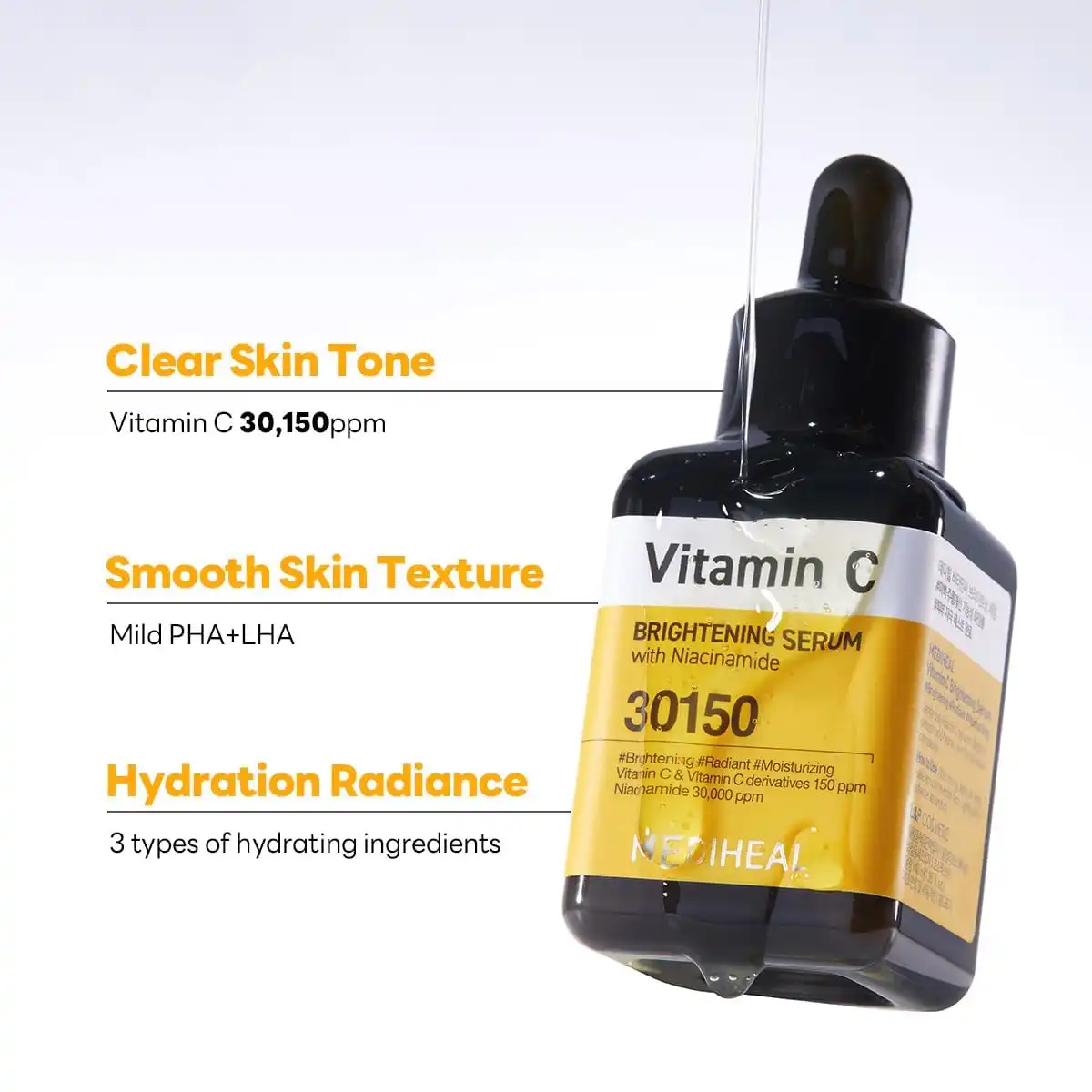
Niacinamide (vitamin B3) is a versatile active renowned for reinforcing the skin barrier, balancing sebum production, and softening the look of hyperpigmentation. By promoting an even, uniform surface tone, niacinamide helps the skin reflect light smoothly and cleanly.
Ceramides for Skin Barrier Support
Ceramides are skin-identical lipids that form the intercellular “mortar” holding skin cells together. In face masks, ceramides reinforce a compromised barrier, prevent rapid transepidermal water loss, and smooth dry, flaky patches, ensuring long-lasting suppleness.
Morning vs. Night: When Should You Use a Korean Face Mask?
Deciding whether to mask in the morning or evening depends on your lifestyle and cosmetic objectives. Morning masking is an excellent technique when you want immediate cosmetic radiance before a major event, a photoshoot, or makeup application. Spending 10 to 15 minutes with a lightweight, hydrating sheet mask plumps surface cells, smooths dry flakes, and provides a supple, hydrated canvas that allows foundations and tinted moisturizers to glide on effortlessly without clinging to dry patches.
Conversely, evening masking functions as a restorative, calming ritual at the close of the day. After thoroughly double-cleansing away the day’s pollution, makeup, and sunscreen, an evening sheet mask delivers sustained hydration without time constraints. Furthermore, following an evening mask with a nourishing cream or sleeping pack allows your skin to recover overnight in a humid microclimate. Ultimately, package directions, formula viscosity, and personal schedule should dictate your timing.
A Simple Morning Masking Routine
Keep your morning routine streamlined, focusing on fast absorption and daytime defense:
Wash face gently with a mild, low-pH gel cleanser or splash with lukewarm water.
Apply a lightweight, fast-absorbing hydrating sheet mask for 10–15 minutes.
Remove the mask and gently pat the essence into your skin.
Smooth on a light gel-cream moisturizer to lock in the hydration.
Finish with a broad-spectrum Korean sunscreen (SPF 50+ / PA++++) before applying any makeup.
An Evening Masking Routine for Hydration
Use the evening to focus on deep barrier recovery and replenishing moisture:
Double cleanse using an oil-based cleanser followed by a gentle water-based foaming wash.
Smooth on your chosen soothing or barrier-supporting sheet mask for 15–20 minutes.
Remove and tap in the excess essence thoroughly over your face and neck.
Optional: Apply a targeted serum or ampoule if addressing specific concerns.
Seal everything in with a ceramide-rich barrier cream or an overnight sleeping pack.
Common Masking Mistakes That Can Disrupt Your Glow
Avoiding frequent application pitfalls is vital for preserving skin health and achieving a sustained glow:
Leaving Sheet Masks on Too Long: Leaving a mask on until it dries paper-thin causes the material to wick moisture back out from surface skin layers. Remove it while it is still noticeably damp.
Masking Too Frequently With Actives: Using exfoliating, purifying, or heavily fragranced masks every day can overwhelm the skin, leading to contact dermatitis, flaking, and barrier damage.
Skipping the Post-Mask Moisturizer: Neglecting to seal in liquid essence allows humectants to evaporate quickly, leaving skin feeling tighter and drier than before.
Overloading Conflicting Actives: Layering high-percentage chemical peels, retinoids, and strong vitamin C serums around a masking session increases the likelihood of severe irritation.
Expecting Instant Permanent Transformations: Expecting a single sheet mask to erase pores or cure acne sets unrealistic expectations. Consistency in daily basics matters most.
How Long Does It Take to Get a Glass-Skin Look?
The timeline for achieving a glass-skin appearance involves both immediate cosmetic changes and gradual, cumulative skin health improvements. Immediately following a single hydrating sheet mask session, your skin will likely exhibit a noticeable, short-term plumping effect and a fresh, dewy sheen that lasts for several hours. This rapid cosmetic improvement is simply the direct result of intense surface hydration.
Achieving a sustained, everyday glass-skin appearance requires more time and patience—typically 4 to 8 weeks of consistent care. This timeframe aligns with the natural turnover cycle of epidermal cells. Sustaining a smooth, radiant complexion requires maintaining regular gentle cleansing, daily hydration, barrier support, and diligent daytime sun protection. By sticking with a balanced, gentle routine, your skin gradually develops improved moisture retention, smoother texture, and a dependable natural glow.
Frequently Asked Questions About Korean Face Mask Routines
Can a Korean face mask give you glass skin?
A Korean face mask can provide an immediate boost of surface hydration and smooth rough texture, helping your skin achieve the dewy, reflective appearance of glass skin temporarily. However, long-term radiance relies on combining masks with a consistent daily routine of cleansing, moisturizing, and sun protection.
How often should I use a face mask for glowing skin?
For gentle, humectant-rich hydrating sheet masks, using them 2 to 3 times per week is generally ideal. If you are using wash-off clay masks or exfoliating treatments, limit use to once weekly to prevent skin barrier disruption and dryness.
Should I moisturize after a Korean face mask?
Yes. Sheet masks deliver water-soluble humectants that will evaporate without an occlusive barrier. Applying a moisturizer immediately after patting in your mask’s essence seals that hydration within the epidermis, ensuring prolonged suppleness and comfort.
Can I use a Korean face mask every day?
You can use gentle, purely hydrating sheet masks daily if your skin tolerates it well and shows no signs of congestion. However, masks containing active exfoliants, clarifying clays, or heavy fragrances should never be used daily, as they can irritate the skin barrier.
Should I wash my face after using a Korean sheet mask?
No, most Korean sheet masks are formulated with leave-on essences designed to absorb fully into the skin. Simply pat the excess serum into your face and neck. However, always rinse off traditional clay masks or peel-off treatments according to package directions.
What is the best face mask for glowing skin?
The best mask depends on your skin’s immediate priority. Dehydrated skin benefits most from hyaluronic acid sheet masks, reactive skin thrives on centella asiatica hydrogels, and dull skin responds well to brightening niacinamide or rice ferment formulas.
Final Thoughts: Build a Masking Routine That Supports Your Glow
Achieving a glass-skin look is a rewarding journey centered on honoring your skin’s changing biological needs with gentle, targeted hydration. By selecting the right mask formats, adhering to proper wear times, and sealing in every treatment with a supportive moisturizer, you can elevate a simple self-care step into a powerhouse routine that brings out your skin’s natural clarity and radiance. Remember to stay consistent with your daily essentials, pay attention to how your skin responds, and adjust your routine as the seasons change.
To discover an authentic, thoughtfully curated range of Korean sheet masks, hydrogels, and nourishing wash-off packs tailored to every skin type, explore the collection at KoreanBeautyBar and find the perfect addition to your glowing skincare ritual.
About Korean Beauty Bar
Laura Meacham Moore is a licensed nurse and esthetician with 25+ years of skincare expertise. After discovering K-beauty's transformative approach, she founded Korean Beauty Bar to bring authentic, science-backed Korean skincare to the U.S. Laura selects every product based on clinical efficacy, strict Korean beauty standards,