Dry under-eyes, noticeable morning puffiness, and fine lines accentuated by dehydration are common cosmetic concerns that many people face daily. Targeted topical treatments like Korean eye masks especially curved, serum-infused hydrogel patches offer a convenient, localized step to help replenish moisture and refresh tired-looking skin. While these masks provide a soothing hydration boost and temporarily improve the appearance of the under-eye area, they are supplemental cosmetic products rather than permanent corrective treatments.
Why Korean Eye Masks Are a Popular Skincare Step
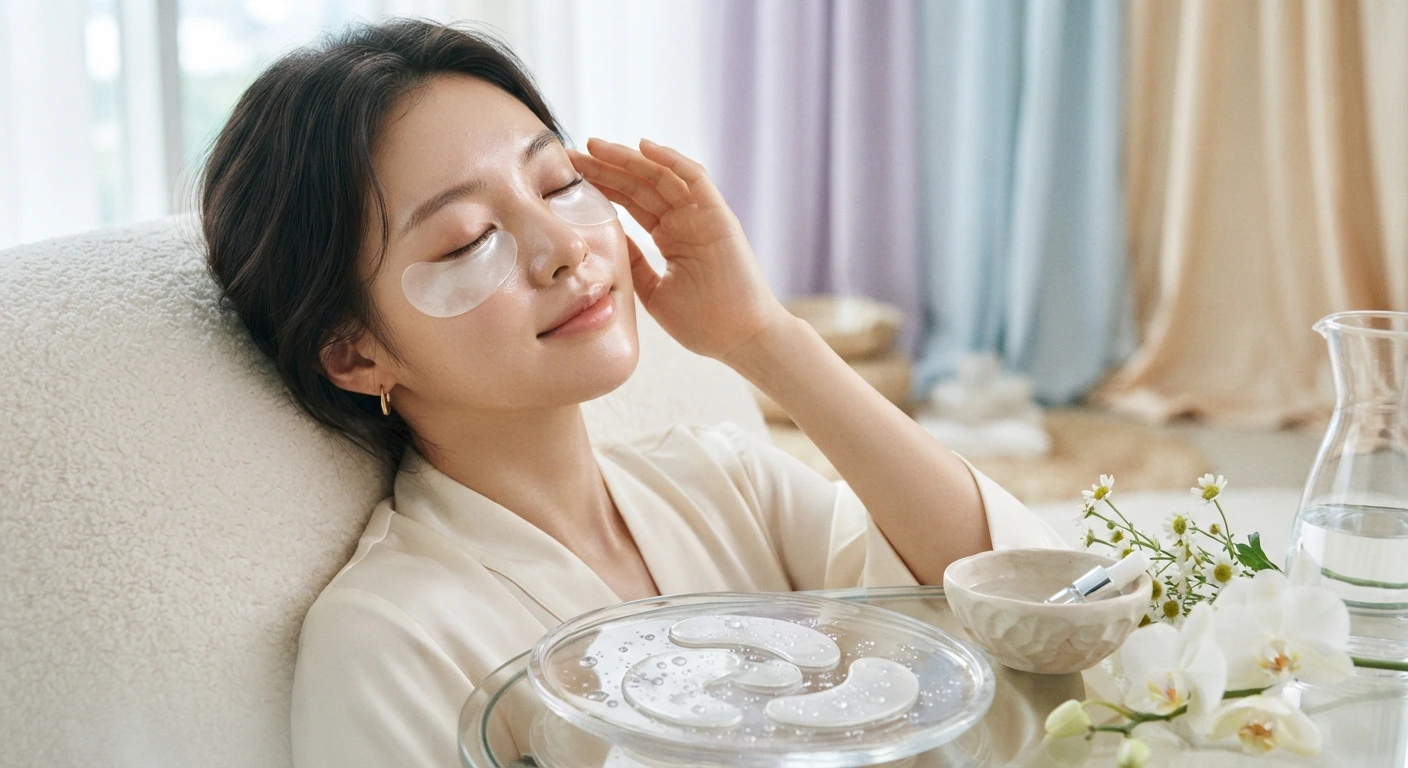
The distinct crescent shape and cooling feel of a korean eye mask have made targeted under-eye treatments a staple in modern self-care rituals. Saturated with concentrated essences, these curved patches fit neatly over the orbital contour beneath the lower lashes, making them popular for a quick morning refresh before makeup application or a calming evening wind-down. By holding a reservoir of moisture directly against the skin, they offer an efficient way to deliver humectants right where surface dryness is most visible. This guide explores different patch materials, key beneficial ingredients, practical selection tips, and correct application techniques for safe, reliable results.
What Is a Korean Eye Mask?
A Korean eye mask is a specialized cosmetic treatment designed to adhere comfortably beneath the lower eyelids. While some versions use soft woven fabric, the majority of Korean options are hydrogel patches: flexible, jelly-like matrices composed of water-soluble polymers infused with humectants, botanicals, and conditioning serums.
Once placed on the skin, the patch acts as a temporary barrier that slows the evaporation of the underlying liquid formula, giving the surface layers time to absorb moisture and conditioning agents. It is important to remember that performance is driven by the specific formulation, ingredient quality, and overall routine compatibility, rather than the product’s geographical origin alone.
Korean Hydrogel Eye Patches vs. Other Eye Masks
Hydrogel patches are pre-saturated with liquid serum and naturally grip the skin with a cool, flexible contact layer. Traditional fabric or cotton-style eye sheets are lightweight and soft, though they may dry out faster and slip more easily. Reusable silicone patches, on the other hand, contain no active ingredients of their own; they are placed over a separately applied eye cream or serum to enhance surface occlusion. Each format offers different levels of adherence, comfort, and convenience.
Why the Under-Eye Area Needs Gentle Care
The skin around the eyes is naturally delicate and possesses fewer sebaceous glands than the rest of the face, making it particularly prone to visible dryness, fine dehydration lines, and surface reactivity. Applying targeted treatments requires a light touch, keeping serums away from direct contact with the eyes, and choosing gentle formulas. Paying close attention to ingredient tolerance helps maintain comfort without triggering unnecessary redness or stinging around this sensitive facial zone.
What Can Korean Eye Masks Help With?
Korean eye masks are primarily formulated to address three visible under-eye concerns: dehydration, temporary puffiness, and superficial fine lines. While a serum-loaded patch can provide an immediate cosmetic boost to help the area look refreshed and revitalized, it cannot alter underlying genetics, facial fat pads, or permanent vascular dark circles.
Hydration for Dry or Dehydrated Under-Eyes
When the under-eye area lacks sufficient water, it can appear dull, rough, and crepey. Eye masks formulated with effective humectants like glycerin and hyaluronic acid attract moisture to the stratum corneum, helping the skin feel supple and look smoother. Plumping the skin with temporary hydration also helps makeup sit more evenly over the area. However, because humectants require lipids to prevent evaporation, following up with a nourishing facial moisturizer or eye cream remains essential for lasting moisture retention.
The Appearance of Puffiness and Tired-Looking Eyes
Waking up with puffy under-eyes is common and can stem from temporary fluid retention, irregular sleep, seasonal allergies, or personal anatomy. Applying a chilled hydrogel patch provides a gentle, cooling sensation that feels soothing and can temporarily improve the appearance of sluggish, puffy under-eyes. While this mechanical cooling effect helps the area look visibly rested, eye patches do not drain underlying fluid pockets permanently or eliminate structural eye bags.
Fine Lines and a Smoother-Looking Under-Eye Area
Fine lines under the eyes are frequently accentuated by surface dehydration; when skin cells lack water, shallow creases become more pronounced. By delivering concentrated hydration, eye masks temporarily plump the outermost skin layers, softening the appearance of fine dehydration lines. This cosmetic smoothing effect differs from structural changes in deeper wrinkles, so patches should not be expected to rebuild collagen or permanently erase established expression lines.
Ingredients to Look for in Korean Eye Masks
Selecting an effective eye patch starts with reviewing the full ingredient list to ensure it targets your primary under-eye concern while respecting skin sensitivity:
Hyaluronic Acid and Glycerin for Hydration
Hyaluronic acid and glycerin are foundational humectants that draw ambient water into the surface layers of the skin. They are particularly beneficial for under-eyes that feel tight or look creased from dehydration. Dermatological organizations, including the American Academy of Dermatology, frequently highlight hyaluronic acid and glycerin as dependable ingredients for restoring moisture and supporting surface hydration in cosmetic masks.
Caffeine for a Refreshed Appearance
Caffeine is frequently incorporated into topical eye formulas designed to revive sluggish, tired-looking under-eyes. While caffeine can impart a short-term tightening feel and help the skin appear more awake, these cosmetic benefits are temporary and depend heavily on the overall formula. It should not be viewed as a permanent solution for genetic dark circles or deep bags.
Peptides, Niacinamide, and Soothing Ingredients
Many Korean eye formulas feature peptides to support a firmer-looking surface texture and niacinamide to help improve the appearance of dull, uneven tone. To maintain skin comfort, formulators often include gentle botanical extracts such as Centella asiatica (cica), panthenol, and allantoin. Checking the ingredient deck ensures these supportive actives are balanced without unnecessary irritants.
How to Choose the Best Korean Eye Mask for Your Needs
Matching the mask’s formulation to your main under-eye priority ensures the best cosmetic outcome and comfort:
If Your Main Concern Is Dryness
Prioritize formulas centered on reliable humectants such as hyaluronic acid, glycerin, and beta-glucan. Look for hydrogel patches soaked in a rich essence that leaves the under-eye area feeling soft, cushioned, and supple rather than sticky or tight after removal.
If Your Under-Eyes Look Puffy in the Morning
Choose lightweight hydrogel patches with secure adherence and cooling ingredients like caffeine or green tea extract. Storing your patches in the refrigerator provides a refreshing, de-puffing sensation, but always follow package storage guidelines and never freeze them unless specifically instructed.
If You Want Fine Lines to Look Less Noticeable
Focus on deeply moisturizing formulas enriched with peptides, adenosine, or ceramides alongside realistic expectations. While regular hydration can temporarily soften the look of superficial lines, combining eye masks with a consistent daily moisturizer and broad-spectrum sunscreen provides better overall support for long-term skin health.
If You Have Sensitive Skin
Inspect the label carefully to avoid synthetic fragrances, essential oils, or high concentrations of drying alcohols. Always patch-test a small amount of essence behind the ear or along the jawline before applying patches under the eyes, and discontinue use immediately if burning or itching occurs.
How to Use Korean Hydrogel Eye Patches Correctly
To maximize the hydrating benefits of hydrogel patches while avoiding accidental irritation, follow this simple routine:
Step-by-Step Application
- Cleanse: Wash your face thoroughly and pat dry with clean hands.
- Apply Patches: Using the enclosed spatula, place one patch under each eye, positioning the curved edge comfortably below the lower lash line without touching the eye itself.
- Rest: Leave the patches on strictly for the duration specified on the packaging (typically 15 to 20 minutes).
- Remove Gently: Peel off the patches smoothly without tugging the skin, and discard them.
- Seal: Gently pat any remaining essence into the skin, then follow with your regular moisturizer and daytime sunscreen.
Common Eye Patch Mistakes to Avoid
Avoid leaving hydrogel patches on until they dry out completely, as this can pull moisture back from the skin and cause friction during removal. Never apply patches over broken or sensitized skin, never reuse single-use patches, and ensure the serum does not enter the eyes. More frequent or extended wear does not yield better results.
How Often Should You Use a Korean Eye Mask?
Usage frequency depends on the specific formulation, your skin’s tolerance, and the manufacturer’s directions. While gentle, basic humectant patches can be applied 2 to 3 times per week or before special events for an extra cosmetic boost, they remain an optional step in a well-rounded skincare regimen. They should complement—never replace—daily essentials like gentle cleansing, moisturizing, and sun protection.
Korean Eye Masks: A Convenient Step for a Refreshed Look
Korean eye masks provide a practical, targeted way to infuse the delicate under-eye area with concentrated hydration while temporarily softening fine dehydration lines and refreshing tired-looking eyes. Incorporating them into your weekly self-care routine offers an easy, cooling pampering step that helps your complexion look rested and radiant. To discover authentic, high-quality eye care and curated sheet masks tailored to your skin’s unique needs, explore the options available at KoreanBeautyBar and find the perfect match for your daily ritual.
Frequently Asked Questions
What does a Korean eye mask do?
A Korean eye mask delivers concentrated humectants and conditioning botanicals directly to the under-eye area. Depending on its formulation, it helps hydrate dry skin, temporarily smooth dehydration lines, and provide a cooling sensation that makes tired eyes look visibly refreshed.
Are Korean hydrogel eye patches good for hydration?
Yes. Most Korean hydrogel eye patches are saturated with essences rich in water-binding humectants like glycerin and hyaluronic acid. Because the hydrogel holds moisture against the skin, it effectively boosts surface hydration when followed by a moisturizer.
Can Korean eye masks reduce the appearance of puffiness?
A cool hydrogel patch can temporarily soothe the under-eye area and reduce the visual appearance of morning puffiness. However, results are short-term, and eye masks cannot eliminate puffiness caused by genetics, allergies, or anatomical fat distribution.
Do Korean eye masks help with fine lines?
Korean eye masks can temporarily soften the appearance of fine lines by plumping dry surface cells with moisture. However, they do not permanently remove wrinkles or stimulate long-term collagen production; consistent hydration and daily sunscreen are necessary for ongoing care.
How long should you leave hydrogel eye patches on?
Always follow the manufacturer’s package instructions, which typically recommend 15 to 20 minutes. Remove the patches while they are still damp to prevent them from drying out on the skin and causing mechanical irritation.
Can I use eye patches every day?
Daily use depends on your skin’s individual tolerance and the product’s ingredient profile. While gentle hydrating patches can often be used frequently, 2 to 3 times per week is generally sufficient. Stop use if irritation or redness develops.