Is your skin stinging, feeling tight after cleansing, or suddenly sensitive? Discover the signs that indicate your skin needs barrier repair.
As an RN and licensed Esthetician , I look for a pattern rather than one symptom on its own. Tightness, flaking, and sudden sensitivity can be clues that your skin’s protective barrier needs extra care. They can also have other causes, so think of them as a reason to pay attention, not a diagnosis.
What is your skin barrier?
Your skin barrier is the outermost part of your skin. You can picture it as a brick wall: skin cells are the bricks, and natural fats called lipids help fill the spaces between them. This layer helps keep moisture in and shield the skin underneath from irritants and other external stressors.
When the barrier is functioning well, your skin is generally more comfortable and less reactive. When it’s stressed or disrupted, moisture can escape more easily and everyday products may suddenly feel unpleasant. Cleveland Clinic’s guide to the skin barrier explains this protective role in more detail.
Signs your skin barrier may need a break
One symptom by itself doesn’t prove that your barrier is compromised. Look for a change from what’s normal for your skin, especially if several of these appear together:
Products that used to feel fine now sting or burn. This is particularly noticeable if even a familiar moisturizer feels uncomfortable.
Tightness after cleansing. Your skin feels stretched or uncomfortable soon after you rinse, rather than clean and comfortable.
Flaking, rough patches, or persistent dryness. Makeup may catch on flakes, or moisturizer may not seem to ease the discomfort.
Redness, itching, or sudden sensitivity. Your skin seems easier to upset than usual.
More breakouts than you typically get. Breakouts can have many causes, so acne alone isn’t a reliable sign of barrier trouble. Pay attention to whether it comes with stinging, redness, or scaling.
If the symptoms started after a new product or a more intense routine, that timing may be useful. But irritation, allergies, eczema, rosacea, and other concerns can look similar. If you’re unsure, it’s reasonable to ask a dermatologist rather than trying to diagnose your skin from a checklist.
Common reasons your barrier gets stressed
Often, it isn’t one dramatic mistake. It’s a combination of small stressors that add up:
Over-exfoliating: Using acids, scrubs, or exfoliating pads too often can leave skin feeling raw or sensitive.
Stacking too many actives: Combining several strong treatments, or adding them all at once, makes it harder to know what your skin tolerates.
Harsh or frequent cleansing: Strong cleansers, hot water, and washing more than your skin needs can contribute to dryness and tightness.
Weather and indoor heat: Cold air, wind, low humidity, and heating can make skin feel drier.
Skipping moisturizer: Cleansing without following with moisturizer may leave dry or sensitive skin feeling less comfortable.
Ramping up retinoids too quickly: Retinoids can cause dryness and irritation, particularly when introduced too often or alongside other active ingredients.
If you’re using a prescription treatment, don’t change or stop it without checking with the clinician who prescribed it. They can help you adjust the plan safely.
Is it purging, irritation, or a breakout?
Purging is often blamed for any new blemish after starting skincare, but it isn’t a catch-all explanation. Some ingredients that speed up skin-cell turnover, such as retinoids and exfoliating acids, may bring clogged pores to the surface sooner. If that’s what’s happening, blemishes are more likely to show up where you usually break out, without widespread burning, itching, or flaking.
Irritation is more likely if you’re seeing diffuse redness, stinging, peeling, itching, or a rash-like change, especially in areas where you don’t normally break out. It may also worsen as you keep using the product. A new breakout can have other explanations, too, so there’s no perfect at-home test. If discomfort accompanies the spots, pause the suspected non-prescription product and consider professional guidance.
A simple routine to support comfort
You don’t need a complicated “barrier repair” regimen. For the next couple of weeks, simplify and focus on what your skin can comfortably tolerate. If symptoms are still active after that, continue avoiding anything that stings and consider speaking with a dermatologist.
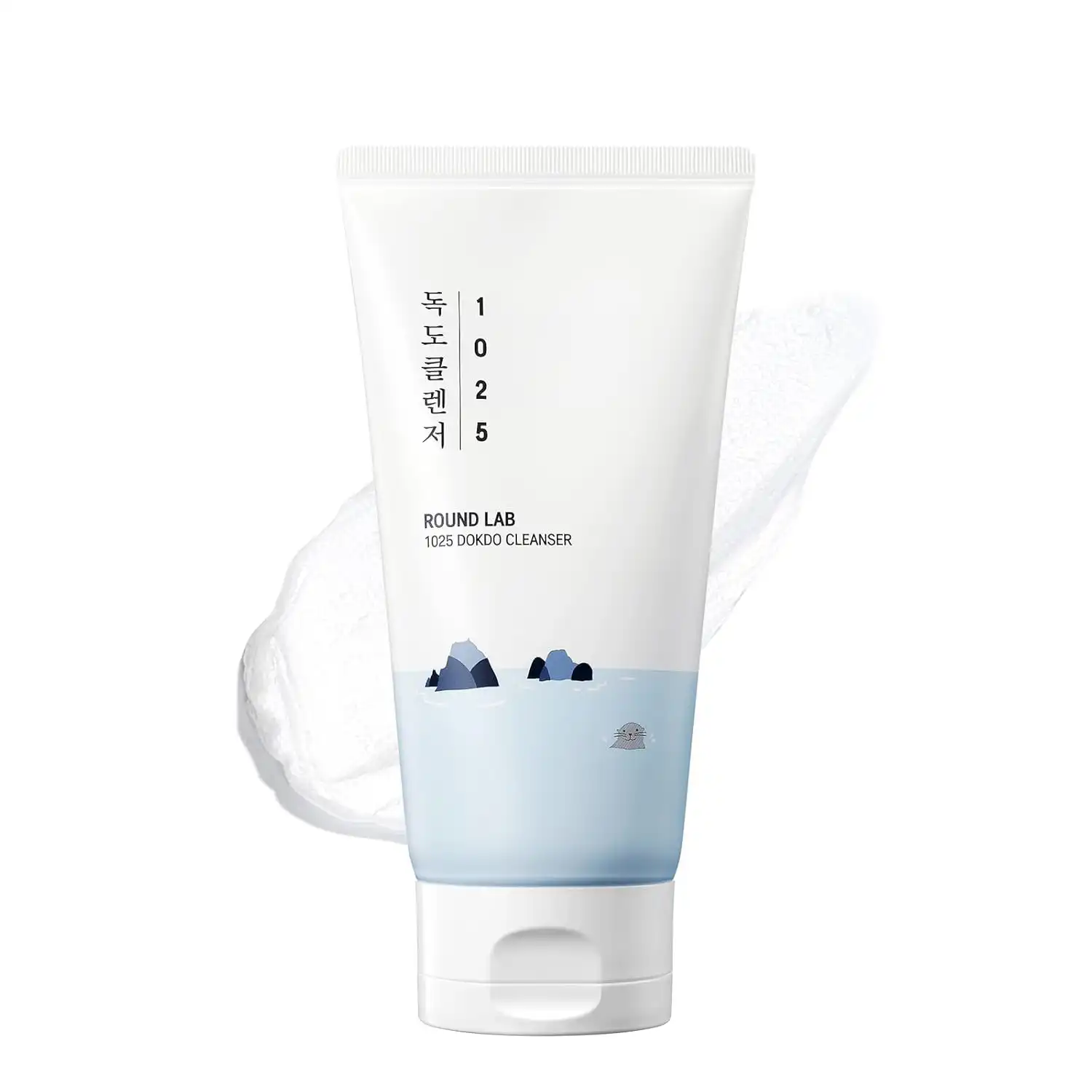
1. Cleanse gently. Use lukewarm water and a mild cleanser, without scrubbing or lingering over your skin. A pH-balanced option such as Round Lab 1025 Dokdo Cleanser is a good fit here. It is formulated at a skin-friendly slightly acidic pH to lift grime and excess oil without leaving that stripped, squeaky feeling, which is exactly what a stressed barrier does not need. The best choice is one that leaves your skin comfortable, not tight.
2. Keep hydration simple. You can skip toner and serum if your skin is reacting to everything. If you already tolerate a simple hydrating layer, you may keep using it. Avoid adding several new products at once, even if they’re marketed for sensitive skin.
3. Apply moisturizer. A cream helps reduce moisture loss and can make dry skin feel more comfortable. If you prefer a richer texture, you could explore Dr. Althea 147 Barrier Cream. If you prefer a lighter gel-cream texture, Torriden DIVE IN Cream is another option to consider. A product isn’t automatically right for everyone because it’s called a barrier cream, so check the ingredient list and stop if it makes irritation worse.
5. Pause non-prescription actives and exfoliation. Give your skin a couple of weeks without exfoliating acids, scrubs, retinoids, or other products that seem to be causing discomfort. If a treatment was prescribed, check with your prescriber before pausing it.
6. Reintroduce slowly. Once your skin feels comfortable again, bring back one product at a time. Start gradually and watch for persistent stinging, redness, or peeling. If discomfort returns, stop the newest non-prescription product and reassess.
When should you see a dermatologist?
Make an appointment if your symptoms aren’t improving with a gentle routine, keep coming back, or are interfering with daily life. It’s also worth seeking advice for significant burning, swelling, a persistent rash, painful or worsening breakouts, or skin that cracks or oozes. These symptoms may need more than a skincare adjustment. A dermatologist can assess whether another condition, such as eczema or rosacea, is contributing.
For general routine ideas, you can browse our hydrating moisturizers and leave out any steps that don’t suit your skin right now.
Quick answers
Does oily skin need barrier care? It can. Oiliness doesn’t rule out dryness, tightness, or sensitivity. Focus on how your skin feels, and choose a moisturizer you’re comfortable using.
Should I stop every skincare product? Usually, start by pausing the products most likely to irritate, especially exfoliants and non-prescription actives. Keep the basics your skin tolerates, and check with your prescriber before changing prescription treatments.
How do I know my skin is ready for actives again? Look for a return to your usual comfort, without persistent stinging, redness, or flaking. Reintroduce one product at a time, slowly.
A simpler routine can be a useful first step when your skin suddenly feels reactive. Be patient, pay attention to what your skin tolerates, and get professional advice if symptoms persist or concern you.
This article is for general skincare education and is not a substitute for individualized medical advice.