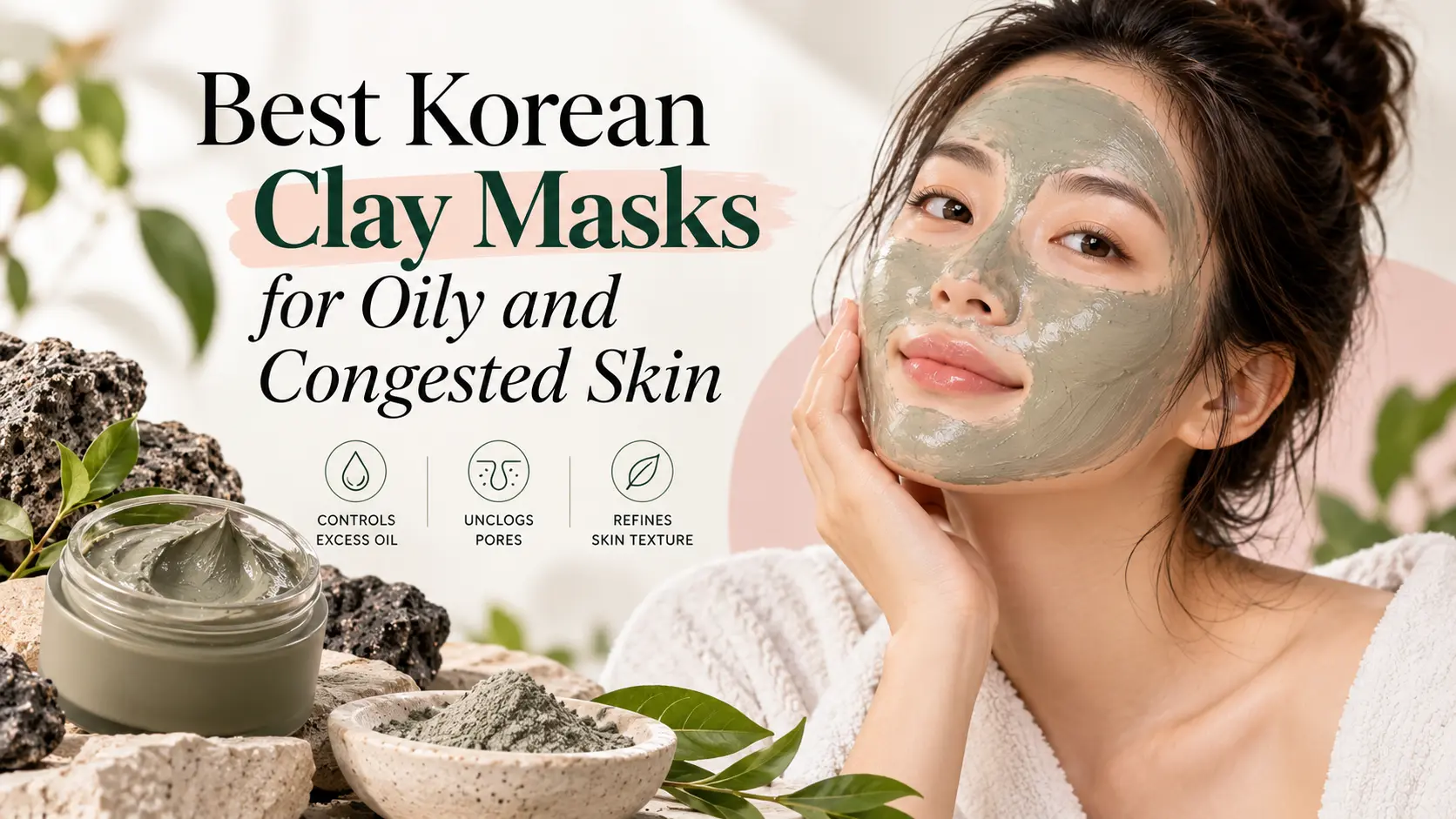
Managing persistent midday shine, enlarged-looking pores, and recurring congestion requires a balanced approach to clarifying skincare. For those navigating excess sebum, finding the best Korean clay masks for oily and congested skin can provide targeted purification without stripping essential moisture. Unlike traditional clay formulas that dry down into rigid, moisture-depleting shells, Korean formulations blend absorbent natural clays with soothing botanicals, humectants, and barrier-supportive ingredients. This guide explores how Korean clay masks work, highlights top product recommendations, and outlines practical strategies for keeping oily and congested skin feeling clean, balanced, and refreshed.
What Is a Korean Clay Mask?
A Korean clay mask is a rinse-off skincare treatment formulated primarily with finely milled, mineral-rich cosmetic clays such as kaolin, bentonite, and volcanic ash. When applied across the face, these porous mineral particles form an absorbent surface layer that binds to excess sebum, daily grime, and accumulated cellular debris.
In Korean skincare formulation, clay masks are specifically designed to avoid the harsh, moisture-stripping finish historically associated with setting clays. Formulators frequently incorporate humectants, plant oils, and calming botanical extracts into the emulsion. This ensures the mask maintains a creamy, spreadable consistency that rinses away cleanly with water. By absorbing surface lipids while conditioning the stratum corneum, a Korean clay mask helps clarify congested areas and refine skin texture without compromising the moisture barrier or leaving the face feeling parched.
How Do Clay Masks Help Oily and Congested Skin?
Oily and congested skin is typically characterized by high sebum production, which can pool around follicular openings. When excess sebum mixes with shed corneocytes and environmental residue, pores become more noticeable and may lead to congestion, such as open and closed comedones.
Cosmetic clays assist this dynamic through physical adsorption. As the wet clay emulsion sits on the epidermis, it draws excess surface oil into its micro-porous matrix, reducing midday grease and providing an immediate mattifying effect. However, it is essential to understand that facial congestion has multifaceted causes, including natural desquamation rates, hormones, and topical product interactions. While clay masks offer valuable surface oil management and mild mechanical cleansing during rinsing, they do not replace dedicated acne treatments, such as topical retinoids or leave-on salicylic acid solutions.
Best Korean Clay Masks for Oily and Congested Skin
The following curated selection highlights top-performing Korean clay masks evaluated on ingredient integrity, oil-absorbing efficacy, post-rinse skin comfort, and texture:
Best Overall Korean Clay Mask for Oily Skin
Innisfree Super Volcanic Pore Clay Mask 2X remains a gold standard in Korean clarifying care. Formulated with porous Jeju volcanic clusters alongside bentonite and kaolin, it delivers potent sebum absorption and gentle surface smoothing. The mask features a thick, cooling paste texture that spreads evenly across the T-zone. It helps temporarily mattify excessive shine and leaves skin feeling thoroughly clarified. Apply a smooth layer over cleansed skin, leave on for 10 minutes, and rinse with lukewarm water.
Best Korean Clay Mask for Congested Pores
Papa Recipe Blemish Enzyme Powder Clay Mask (or Papa Recipe Tea Tree Control Mud Mask) offers targeted care for visibly congested skin. Combining mild kaolin with enzyme extracts and tea tree leaf water, it helps loosen surface debris and soften rough texture. Its silky, creamy paste rinses cleanly without tugging or drying. While it will not permanently eliminate congestion, it provides a gentle, refreshing treatment that clarifies pore openings and supports smoother skin texture.
Best Korean Clay Mask for Excess Sebum
Isntree Real Mugwort Clay Mask utilizes six distinct clay varieties, including kaolin, bentonite, and montmorillonite, to absorb stubborn surface oil. Infused with mugwort leaf extract and fine red bean powder, it offers gentle physical purification while soothing skin redness. Its dense, non-drying texture clings securely to oily areas. This mask is particularly beneficial for oily complexions seeking noticeable shine reduction and a balanced, refreshed post-rinse feel.
Best Korean Clay Mask for the Appearance of Large Pores
Beauty of Joseon Red Bean Refreshing Pore Mask is designed to refine the look of prominent pores by sweeping away stagnant sebum. Combining 30% Haenam red bean extract with gentle kaolin, its soft, mud-gel texture glides effortlessly over the skin without tugging. By clearing surface lipid buildup that stretches pore margins, it leaves pores looking less conspicuous and skin feeling smooth, soft, and refreshed.
Best Korean Clay Mask for Blackhead-Prone Skin
Some By Mi Super Matcha Pore Clean Clay Mask targets oily, blackhead-prone areas using matcha water, BHA sources, and absorbent clays. The formula helps dissolve superficial sebum plugs while absorbing surface oil around the nose and chin. While clay cannot mechanically extract deep blackheads, this formula assists in managing surface oiliness that contributes to new plug formation, leaving the skin texture looking clean and matte.
Best Korean Clay Mask for Combination Skin
Axis-Y Mugwort Pore Clarifying Wash Off Pack provides a well-balanced clarifying option for combination complexions with an oily T-zone and drier cheeks. Powered by 61% mugwort extract, kaolin, and kelp extract, it calms irritation while absorbing excess sebum. Its creamy gel-paste consistency allows for targeted T-zone application, preventing dryness across delicate cheek areas while maintaining comfort across diverse facial zones.
Key Ingredients to Look for in a Korean Clay Mask
The overall efficacy and skin tolerance of a clay mask depend heavily on its supporting ingredients and mineral profile:
Kaolin for Gentle Oil Absorption
Kaolin is a mild, fine-particled silicate clay that gently absorbs surface oil without excessively dehydrating the epidermis. Because of its low absorption intensity, kaolin-dominant formulas are ideal for sensitive or combination skin types that require moderate shine control without tight discomfort.
Bentonite for Excess Oil
Derived from volcanic ash, bentonite is a highly absorbent, swelling clay that holds substantial capacity for binding sebum and organic debris. It provides a more pronounced cleansing sensation and is especially suitable for resilient, oily complexions needing potent oil management.
Charcoal and Other Cleansing Ingredients
Activated charcoal powder is often added to clay masks for its porous structure, which aids in surface lipid binding and cosmetic purification. While beneficial for cleansing, it does not draw deep impurities out of pores like a vacuum.
Glycerin and Panthenol for Skin Comfort
Humectants like glycerin and conditioning agents like panthenol (provitamin B5) are vital additions to Korean clay masks. They attract moisture, maintain formula pliability, and help cushion the skin barrier against the drying tendencies of cosmetic clays.
How to Choose a Korean Clay Mask for Your Skin Type
Selecting the right clay formula requires matching your skin’s tolerance with the mask’s oil-absorbing intensity:
Oily Skin With Excess Sebum
Look for masks combining bentonite and volcanic ash with refreshing botanicals. These blends provide robust oil absorption and a clean finish. Ensure you follow recommended wear times rather than using the product daily.
Oily Skin With Visible Pores
Opt for gentle kaolin blends enriched with red bean or plant enzymes. These formulas help sweep away sebum buildup that accentuates pore margins, offering a temporary smoothing and refining effect.
Oily and Sensitive Skin
Choose fragrance-free, kaolin-based masks fortified with panthenol, cica, or mugwort. Avoid masks with added menthol, coarse exfoliating particles, or strong drying alcohols that could trigger reactive redness.
How to Use a Korean Clay Mask Correctly
To maximize clarifying benefits while preserving skin barrier health:
- Cleanse: Wash your face with a mild, low-pH cleanser to remove surface makeup and sunscreen, then pat dry.
- Apply Evenly: Using clean fingertips or a flat mask brush, spread a smooth, opaque layer over target areas, avoiding the immediate eye and mouth contours.
- Time Strictly: Keep the mask on for 8 to 15 minutes according to the packaging. Remove it while it is still slightly pliable or damp; never let it bake until it cracks or flakes.
- Rinse Gently: Rehydrate the dried clay with lukewarm water before wiping it away in gentle circular motions. Avoid harsh scrubbing.
- Moisturize: Follow immediately with a hydrating toner, serum, and an oil-free, barrier-supportive moisturizer to seal in hydration.
How Often Should You Use a Korean Clay Mask?
Frequency depends on your skin’s sebum levels and individual tolerance. For oily complexions, using a clay mask 1 to 2 times weekly is generally sufficient to manage shine and maintain a clarified appearance. If you have combination or sensitive skin, applying the mask once weekly or once every two weeks—focused primarily on the T-zone—prevents barrier stress. If you notice persistent flaking, tightness, or redness, scale back your usage frequency immediately.
Common Clay Mask Mistakes That Can Make Oily Skin Feel Worse
- Leaving the Mask on Until It Dries Completely: Allowing clay to crack pulls moisture from the upper skin layers, compromising the barrier and causing reactive redness.
- Overusing Clarifying Masks: Applying clay masks daily strips natural protective lipids, which can trigger rebound oil production.
- Scrubbing During Removal: Rinsing dry clay roughly can create mechanical irritation. Always re-wet the product thoroughly before washing it off.
- Skipping Post-Mask Moisturizer: Neglecting hydration after clay masking leaves the stratum corneum vulnerable to transepidermal water loss.
- Layering Aggressive Actives: Using leave-on chemical peels or strong retinoids immediately after clay masking increases the risk of severe irritation.
Do Korean Clay Masks Reduce Pores or Remove Blackheads?
A common question is whether clay masks can permanently shrink pores or extract blackheads. The short answer is no. Pore size is primarily determined by genetics, age, and collagen structure; no cosmetic mask can permanently change pore diameter. However, by clearing dark, oxidized surface oil and dead cell buildup, a clay mask can make pores look temporarily smaller, tighter, and less noticeable.
Similarly, clay masks do not mechanically pull established blackheads out from deep within follicles. They assist by absorbing surface oils that contribute to comedone formation and loosening surface plugs. For deep, persistent blackheads, leave-on oil-soluble exfoliants like salicylic acid (BHA) are significantly more effective.
Clay Masks vs Other Products for Oily and Congested Skin
Clay masks should be viewed as supplementary treatments within a broader skincare routine rather than standalone cures:
- Clay Masks vs Cleansers: Daily cleansers remove surface oil, sunscreen, and daily grime. Clay masks provide deeper surface adsorption 1–2 times weekly.
- Clay Masks vs Chemical Exfoliants (AHA/BHA): Clay masks act on surface lipids and residue, whereas leave-on chemical exfoliants penetrate oily pores to dissolve stubborn sebum plugs.
- Clay Masks vs Hydrating Masks: Clay masks purify and absorb oil, whereas sheet or hydrogel masks supply water and humectants to depleted barriers.
Persistent inflammatory acne or severe cystic congestion requires guidance from a board-certified dermatologist rather than over-the-counter wash-off masks.
How to Build a Simple Skincare Routine for Oily Skin
A streamlined, consistent routine is far more effective than an overwhelming regimen:
- Morning (AM): Mild gel cleanser Lightweight hydrating toner or serum Oil-free gel moisturizer Broad-spectrum sunscreen (SPF 30+).
- Evening (PM): Gentle oil or micellar cleanser Water-based cleanser Korean clay mask (1–2x weekly) Soothing barrier cream.
Introduce new clarifying products one at a time, allowing 1 to 2 weeks between additions to gauge your skin’s tolerance and prevent barrier irritation.
FAQs About Korean Clay Masks
What Does a Korean Clay Mask Do?
A Korean clay mask absorbs excess surface sebum, loosens dead skin cells, and removes cosmetic residue, helping the skin feel clarified, smooth, and refreshed without stripping away moisture.
Are Korean Clay Masks Good for Oily Skin?
Yes. Korean clay masks containing kaolin, bentonite, or volcanic clusters are well suited for managing surface oil, controlling midday shine, and refreshing oily complexions when used once or twice weekly.
Can a Clay Mask Reduce the Appearance of Pores?
Clay masks can temporarily make pores appear smaller by clearing out oxidized surface oil and debris, but they cannot permanently shrink pore structure.
Do Clay Masks Remove Blackheads?
Clay masks do not extract stubborn, deeply embedded blackheads. They help absorb surface oils and loosen debris, but leave-on salicylic acid (BHA) is more effective for clearing blackhead plugs.
Should You Moisturize After a Clay Mask?
Yes. Applying a lightweight, barrier-supporting moisturizer immediately after rinsing helps replenish hydration, prevents transepidermal water loss, and keeps the skin balanced.
Can You Use a Korean Clay Mask Every Day?
No. Daily use can strip essential lipids and disrupt the moisture barrier, leading to irritation and rebound oiliness. Use 1 to 2 times weekly based on skin tolerance.
Final Thoughts: Choosing the Right Korean Clay Mask
Finding the most effective Korean clay mask for your skin comes down to identifying your specific needs whether you require heavy oil absorption from bentonite or gentle pore refinement from kaolin while ensuring the formula contains soothing, non-drying humectants. By choosing balanced formulations, adhering to recommended contact times, and maintaining consistent daily hydration, you can comfortably keep surface shine and congestion under control.