FREE SHIPPING
On all US orders over $100
Get 15% off your first order:
100% Authentic K-Beauty
• Direct US Shipping
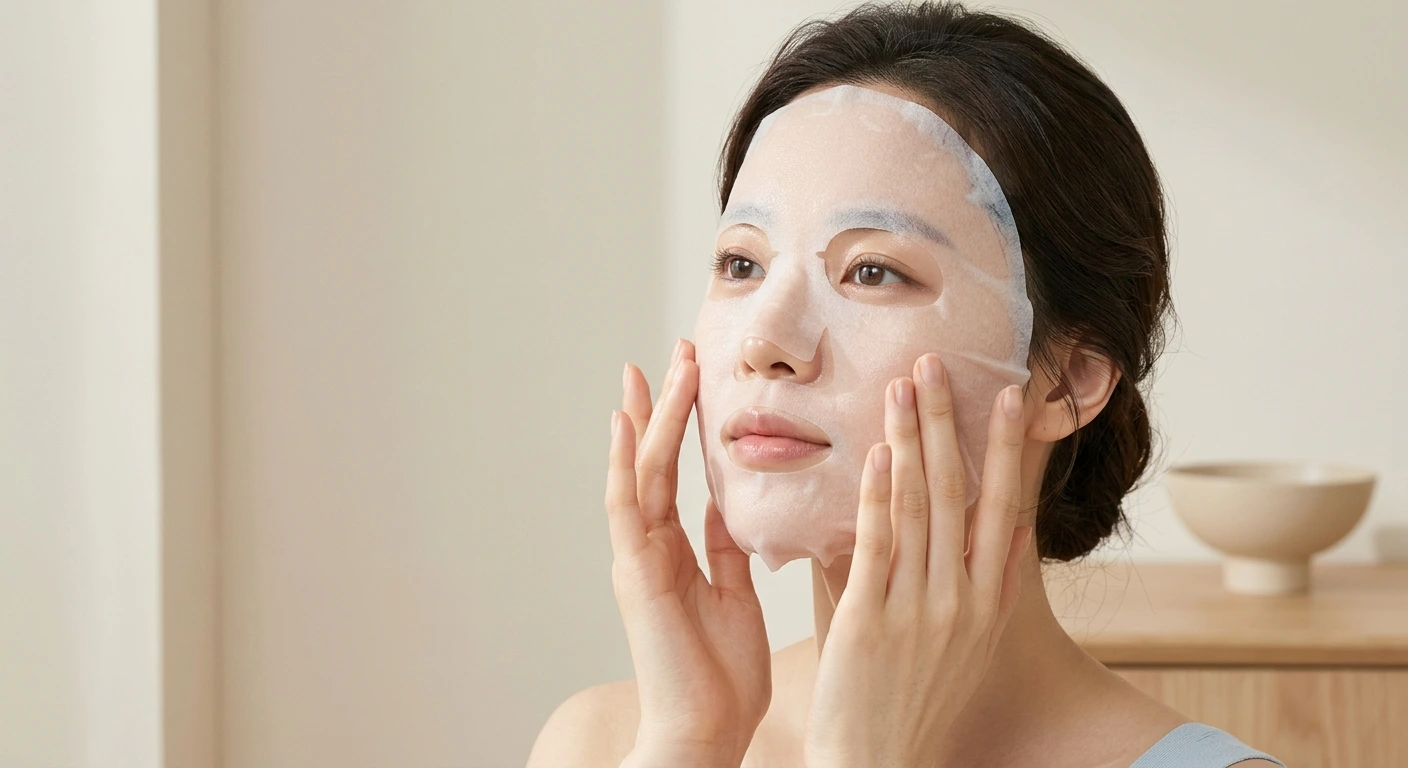
In the ever-evolving world of global beauty, the korean face mask stands as the ultimate symbol of self-care and targeted skin health. What began as a local ritual in Seoul has transformed into a multi-billion dollar global phenomenon, fundamentally changing how consumers approach their evening routines. By September 2026, the “masking” category has moved far beyond the simple hydrating sheet; it now encompasses a sophisticated array of bio-cellulose, hydrogel, overnight “sleeping packs,” and specialized clay treatments designed to address every conceivable skin concern.
The popularity of the korean face mask is rooted in the K-Beauty philosophy of “skin-first” care. Rather than covering imperfections with makeup, these masks are formulated to deliver high concentrations of active ingredients directly into the skin barrier. Whether you are looking for the instant “glow” of a hydrogel or the deep detoxification of a volcanic clay mask, understanding the nuances of these treatments is the first step toward achieving a resilient, healthy complexion.
A korean face mask is a concentrated, supplemental skincare treatment designed to provide intensive benefits over a short period. Unlike a daily serum or moisturizer, a korean facial mask or korean skin mask is typically used 1–3 times a week to provide a “boost” to the skin’s baseline condition.
These products are engineered to create an occlusive environment. By physically covering the skin whether with a fabric sheet or a thick layer of cream the mask prevents the active ingredients from evaporating, forcing them to penetrate more deeply into the stratum corneum. In the 2026 market, these masks are categorized by their delivery system and their functional goal.
The global obsession with K-Beauty masks is driven by three main factors: innovation, accessibility, and the “ritualization” of skincare.
The diversity of the k beauty face mask market can be overwhelming. Each type serves a different purpose in a comprehensive routine.
The most iconic category, these are pre-cut fabric, paper, or hydrogel sheets soaked in a concentrated essence. They are designed for single use and are primarily focused on hydration and nutrient delivery. In 2026, we see a shift toward “micro-hole” technology that allows for better skin breathability while maintaining occlusion.
Unlike traditional Western clay masks that can be overly drying, Korean versions often include moisturizing “bases.” These are used for pore-clearing and oil control, utilizing ingredients like Jeju volcanic ash or kaolin to pull impurities from the skin without stripping the moisture barrier.
These are creams, gels, or “splashes” applied to the skin, left for 10–15 minutes, and then rinsed away. They often focus on gentle exfoliation (using enzymes or acids) or intense soothing (using mugwort or honey).
Also known as “sleeping packs,” these are the final step in a nighttime routine. They are designed to be worn overnight and washed off in the morning. They act as a “seal,” preventing transepidermal water loss (TEWL) while you sleep.
Hydrogel masks are made of a gel-like substance that reacts to skin temperature, “melting” slightly to release actives. In 2026, collagen-focused masks are trending, utilizing low-molecular-weight collagen to provide a temporary “plumping” and intensely hydrated skin feel .
Choosing the right korean skincare face mask requires an analytical look at your current skin state rather than following viral trends.
| Skin Type | Recommended Mask Type | Key Ingredients to Look For |
| Dry | Sheet Mask or Sleeping Pack | Ceramides, Hyaluronic Acid, Shea Butter |
| Oily/Acne-Prone | Clay or Mugwort Wash-off | Volcanic Ash, Tea Tree, Salicylic Acid |
| Sensitive | Hydrogel or Soothing Sheet | Centella Asiatica, Heartleaf, Panthenol |
| Dull/Tired | Brightening Sheet or Vitamin C | Niacinamide, Rice Extract, Vitamin C |
| Aging/Loss of Elasticity | Collagen or Peptide Sheet | Peptides, Adenosine, Ginseng |
Copy TableDownload as CSV
For dry skin, the goal is to repair the lipid barrier and “flood” the skin with humectants. Look for masks containing Glycerin, Ceramides, and Squalane. A sleeping mask is particularly effective here, as it provides 8 hours of continuous hydration during the skin’s natural repair cycle.
Oily skin benefits from “pore-vacuuming” ingredients. However, the 2026 trend is “Gentle Detox.” Avoid masks that crack or feel tight. Instead, choose a creamy clay mask that includes Centella to soothe the skin while the clay absorbs excess sebum.
Sensitive skin requires a “less is more” approach. Look for fragrance-free and alcohol-free formulas. Ingredients like Guaiazulene (derived from chamomile) or Heartleaf (Houttuynia Cordata) are excellent for reducing heat and redness.
Dullness is often a result of dehydration or slow cell turnover. A mask with Niacinamide or Rice Ferment Filtrate can provide an immediate “tone-up” effect. While these won’t permanently change your skin tone, they improve light reflection on the skin’s surface for a radiant look.
The efficacy of a korean face mask is entirely dependent on its ingredient profile. Here are the “power players” of 2026:
A classic humectant that can hold up to 1,000 times its weight in water. In K-Beauty, we often see “multi-molecular” HA, where different sizes of molecules hydrate both the surface and deeper layers of the skin.
Also known as “Cica” or “Tiger Grass,” this is the gold standard for irritation. It is rich in saponins that help calm inflammation and support the skin’s natural healing process.
Rice water has been used in Korean beauty for centuries. It contains para-aminobenzoic acid, which acts as a natural antioxidant, and ferulic acid, which helps brighten the appearance of the skin without irritation.
It is important to manage expectations here: topical collagen molecules are often too large to “sink in” and replace your skin’s natural collagen. However, they are excellent film-formers that provide intense surface hydration and a temporary “firm” feeling.
Look for Bentonite or Kaolin for deep cleaning. In 2026, these are often paired with PHA (Polyhydroxy Acids), which provide a very gentle chemical exfoliation that is safe for most skin types.
The short answer is yes but with caveats. A korean face mask is a “booster” step. It is not a replacement for a consistent routine of cleansing, moisturizing, and sun protection.
When used correctly, masks provide a surge of nutrients that your daily moisturizer might not offer. They are particularly good for “emergency” skin situations such as calming skin after a long flight or prepping the skin for a major event. However, if a mask contains high concentrations of fragrance or essential oils, it can potentially cause contact dermatitis in sensitive individuals. Always prioritize the health of your barrier over the “experience” of the mask.
Frequency depends entirely on the mask type:
Always listen to your skin. If your face feels tight, itchy, or overly shiny (a sign of a compromised barrier), scale back your masking frequency .
To maximize the benefits of your korean facial mask, follow this structured routine:
Pro-Tip: Never leave a sheet mask on until it is bone dry. Through a process called “reverse osmosis,” the dry sheet will actually start pulling moisture out of your skin.
The “1 Day 1 Pack” trend (using one sheet mask every day) is popular in Korea, but it isn’t for everyone.
For most people, 2–3 times a week is the “sweet spot” for maintaining results without overwhelming the skin.
The general rule of thumb is: Cleanse -> Tone -> Mask -> Moisturize.
You do not need a mask to have healthy skin, but they are highly effective “problem solvers.” Think of your daily routine as your “balanced diet” and a face mask as a “vitamin supplement.” If your skin is already in perfect balance, a mask is an optional luxury. If you are struggling with specific issues like dehydration or dullness, a mask can accelerate your results significantly.
Before purchasing, use this checklist:
K-Beauty is famous for its gentle approach, but “Korean” is not a synonym for “hypoallergenic.” Many masks use botanical extracts that can be triggers for those with plant allergies. Always patch test the essence from the pouch on your inner arm before applying the full sheet to your face. If you feel any stinging or burning, remove the mask immediately and rinse with cool water.
“Glass skin” is a state of extreme hydration and smooth texture. A korean face mask is the fastest way to get a temporary glass skin look because it hyper-hydrates the surface cells, making them plump and reflective. However, true glass skin is a long-term result of consistent exfoliation, hydration, and sun protection. Use masks as a “finish line” tool to enhance the hard work of your daily routine.
It is a targeted skincare treatment, such as a sheet or clay mask, designed to deliver a concentrated “boost” of ingredients to the skin.
Yes, when chosen correctly for your skin type, they provide intensive hydration, soothing, or pore-clearing benefits.
There is no single “best” mask. The best one is the one that addresses your specific concern, such as a Mediheal mask for hydration or an Innisfree mask for pores.
Most people see the best results using a mask 2–3 times per week, depending on the formula’s intensity.
Look for masks with Ceramides, Hyaluronic Acid, or Panthenol, such as the Laneige Water Sleeping Mask .
Yes, they are an affordable and effective way to provide temporary, intensive hydration and “prep” the skin for makeup or events.
Only if it is a gentle, hydrating formula. Avoid daily use of exfoliating, clay, or highly fragranced masks.
Masks containing Rice Extract, Vitamin C, or Niacinamide are best for achieving a temporary radiant glow.
They are excellent for surface hydration and making the skin feel temporarily firmer, though they do not replace the collagen inside your skin.
Clay-based Korean masks can help clear out sebum and debris, making pores appear smaller, though they cannot physically change pore size permanently.
The world of korean face masks is a playground for skincare lovers. Whether you are a minimalist looking for a weekly “deep clean” or a maximalist practicing the “1 Day 1 Pack” method, there is a formulation designed for you.
The most important takeaway is to listen to your skin barrier. The best mask in the world is the one that leaves your skin feeling calm, hydrated, and resilient. Don’t be afraid to experiment, but always keep your baseline routine solid. With the right mask in your arsenal, you are well on your way to achieving your healthiest skin yet in 2026.